Yarn & tools for beginners
Choose Yarn & Tools Without the Guesswork
Build a simple first setup, understand yarn labels, and match hooks or needles to your project without buying more than you need.
- Simple starter kits
- Yarn weight and fiber basics
- Hook, needle, and notion choices
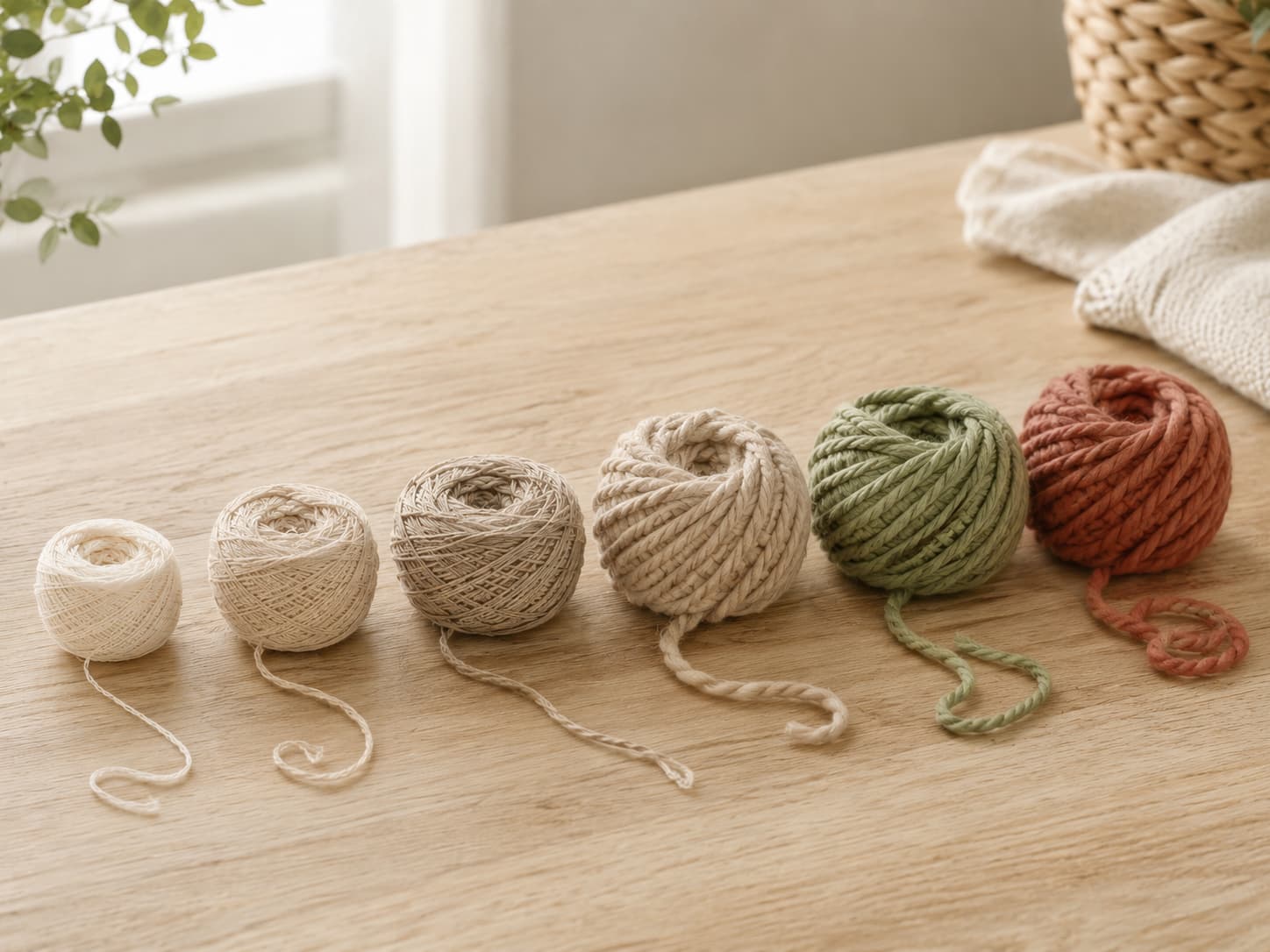
Your simplest first setup
Start with one project, not a full craft room
A beginner needs a small, compatible set of materials. Choose the project first, then buy only the yarn and tools required for it.
Crochet starter setup
One hook, one yarn, one small project
- A light-colored, smooth yarn in a medium weight
- The hook size printed on the yarn label or pattern
- Small scissors and one blunt tapestry needle
- A few removable stitch markers for counting
Knitting starter setup
One needle pair, one yarn, one flat project
- A light-colored, smooth yarn in a medium weight
- Needles in the size recommended by the yarn label or pattern
- Small scissors and one blunt tapestry needle
- A row counter or simple paper-and-pencil tally
Before you buy
Check these five things before checkout
Use this quick reference after choosing a project and before adding yarn, hooks, needles, or notions to your cart.
Yarn basics
Understand yarn before you buy
Weight, fiber, color, and texture affect how easily you can see stitches, control tension, and finish a first project.
Weight
Yarn weight describes thickness, not the weight of the ball. Medium yarns are often easier for beginners because the stitches are visible without feeling oversized.
Fiber
Smooth acrylic, wool blends, and cotton can all work, but they behave differently. Choose a fiber that suits the project and feels comfortable in your hands.
Color & texture
Light, solid colors make stitch structure easier to see. Save fuzzy, very dark, highly textured, or loosely plied yarns for later projects.
| Yarn type | What it feels like | Good first uses | Watch for | Beginner recommendation |
|---|---|---|---|---|
| DK | Light and flexible | Small accessories, squares, lighter scarves | Smaller stitches may take longer to see clearly | Good optionUse when the project calls for lighter yarn. |
| Worsted / medium | Balanced and easy to handle | Coasters, scarves, dishcloths, practice swatches | Labels vary by brand, so follow the project guidance | Best place to startClear stitches and manageable tool sizes. |
| Bulky | Thick and quick to work | Simple cowls, chunky scarves, large practice pieces | Large tools and thick fabric can feel tiring | Optional laterFast results, but large tools may feel tiring. |
| Cotton | Crisp with limited stretch | Dishcloths, coasters, summer accessories | Can feel less forgiving when tension is uneven | Project-specificGood for coasters and cloths; less forgiving tension. |
| Wool or wool blend | Elastic and warm | Scarves, hats, practice fabric | Check care instructions and personal fiber sensitivity | Good optionElastic and warm when care needs suit the project. |
Hooks & needles
Match the tool to the yarn and project
Tool size changes the fabric. Start with the size listed on the pattern or yarn label, then adjust only when the project instructs you to.
Crochet
Choose a hook you can hold comfortably
A single hook in the required size is enough for a first project. Ergonomic handles may help some people, but they are not required to learn.
- Aluminum: smooth, widely available, and usually affordable.
- Bamboo or wood: more surface grip, which may help slippery yarn feel controlled.
- Handled hooks: a larger grip can feel comfortable, but handle shape is personal.
Knitting
Begin with a simple needle format
Straight or circular needles can both make a flat first project. Circular needles hold the fabric on a cable and may feel easier to manage as a project grows.
- Bamboo or wood: added grip can slow stitches down while learning.
- Metal: smooth and durable, but stitches may move more quickly.
- Circular needles: useful for both flat and circular work, depending on the project.
Notions & storage
Keep the useful extras small
A few inexpensive notions solve real problems. Most specialty accessories can wait until a project gives you a reason to buy them.
Useful from the beginning
- Small scissors For clean yarn ends.
- Tapestry needle For weaving in ends and simple seams.
- Stitch markers For counting, marking rounds, and identifying edges.
- Measuring tape For checking project dimensions.
- Project bag For keeping one project clean and together.
- Notebook or tally For tracking rows, repeats, and changes.
Beginner questions
Yarn and tool FAQ
1. Do I need a complete crochet hook or knitting needle set?
2. What yarn color is easiest for beginners?
3. Should I follow the yarn label or the pattern for tool size?
4. Is bamboo always better for beginners?
5. What should I buy before choosing my first pattern?
Choose your next step
Start learning with a small, compatible setup
Use the beginner learning paths to choose a first technique, then return here when you need help matching the yarn and tools.