Build four core crochet skills through small, useful projects
This set contains four separate coaster patterns: a dense single crochet square, a half-double crochet circle, a mini granny square, and a striped rectangle. Each design is written independently, so you can make the complete mixed set or repeat one favorite design.
The sample palette combines warm coral, muted sage, golden ochre, and soft oatmeal. The colors are lively enough for Pinterest and gift photography, but softened by natural linen, warm wood, ceramic cups, and matte tools so the images remain recognizably Knitsoul.
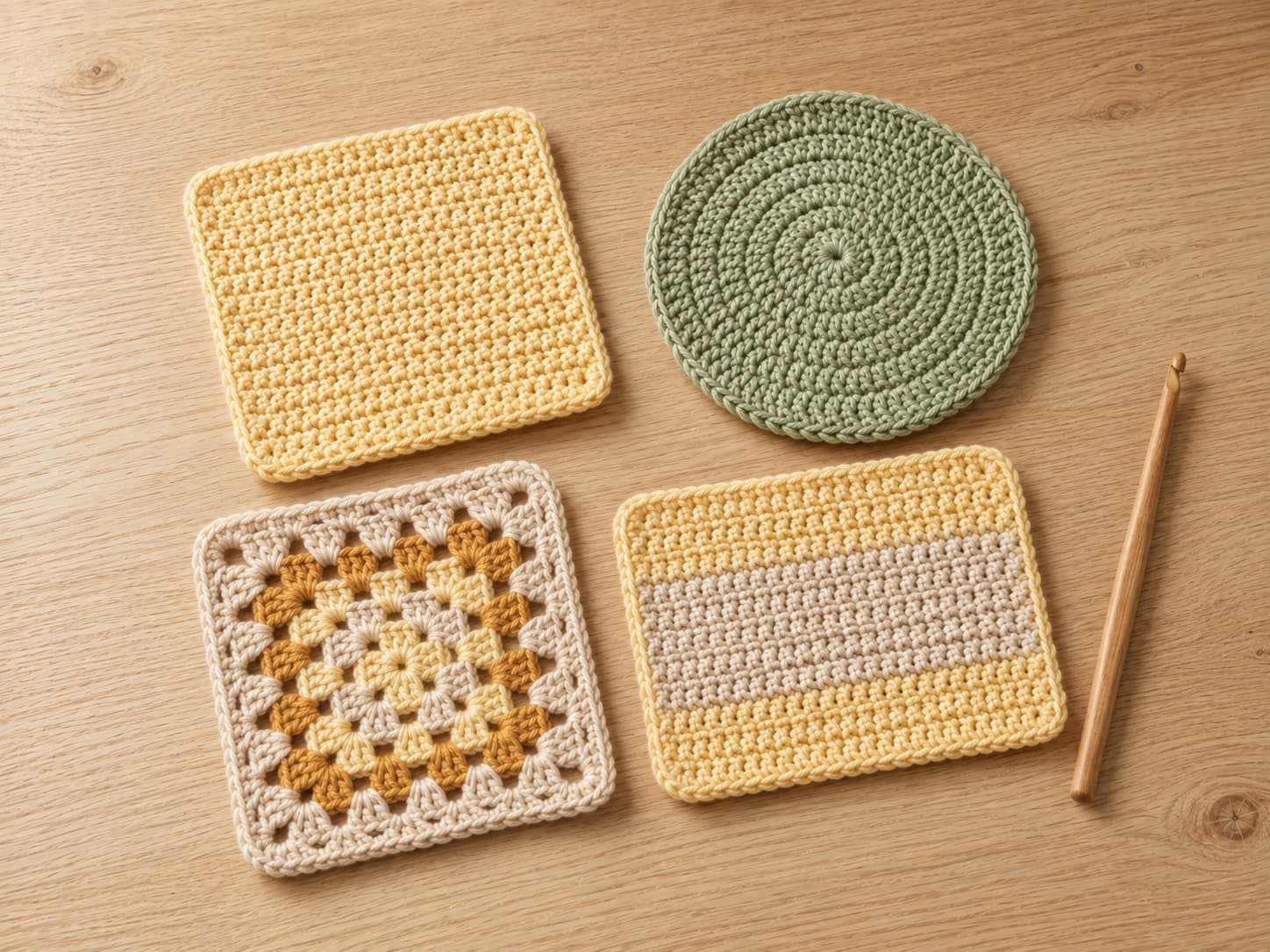
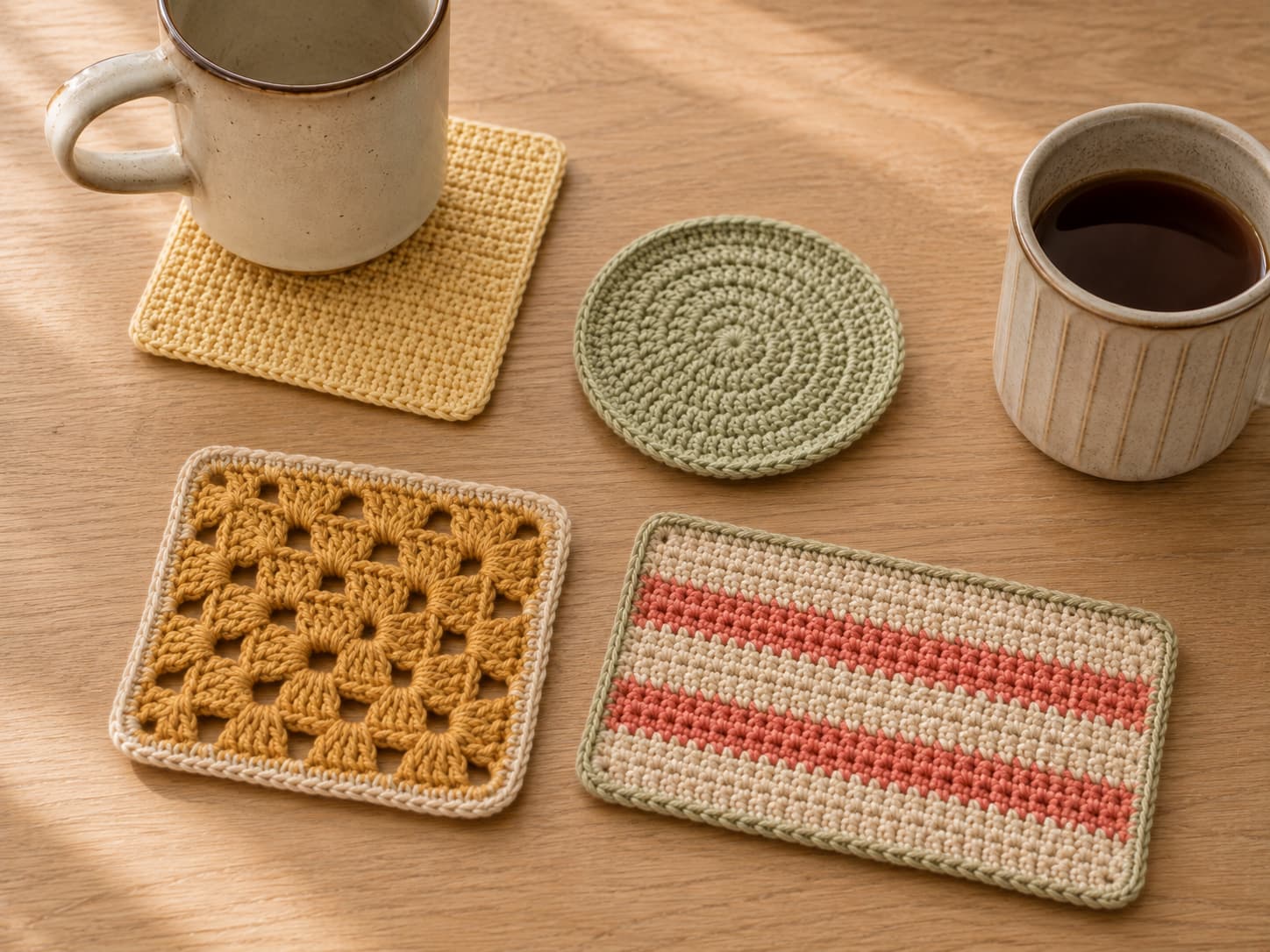
Image 01 · Finished four-coaster setSuggested file: knitsoul-easy-crochet-coaster-set-coral-sage-ochre-oatmeal.jpgReplace only the img src value above with the full HTTPS WordPress Media URL.
The coordinated set uses four distinct stitch structures while keeping the palette warm, natural, and easy to style.
Skill levelEasy
Basic rows, joined rounds, increases, clusters, and simple color changes.
Hook4.5 mm
Use the metric size or the hook needed for a firm, flat fabric.
YarnCategory 4 cotton
Plan roughly 95–120 yd / 87–110 m for one mixed set.
Finished sizeAbout 4–4½ in
Exact size depends on gauge, border, and washing.
TimeAbout 2–3½ hours
Planning estimate for four coasters including finishing.
PaletteCoral · sage · ochre · oatmeal
One principal color per coaster keeps the set clear and coordinated.
On this page
Skill map
Give every coaster one clear teaching job
Square
Practise a relaxed foundation chain, consistent single crochet, turning, and straight row edges.
Circle
Learn joined rounds, evenly spaced increases, stitch counting, and a back-loop border.
Mini granny
Read corner repeats and place double crochet clusters into spaces rather than individual stitches.
Striped rectangle
Change colors at row ends, control edge tension, and use a border to unify the shape.
Materials and color
Use absorbent cotton with a warm, modern four-color palette
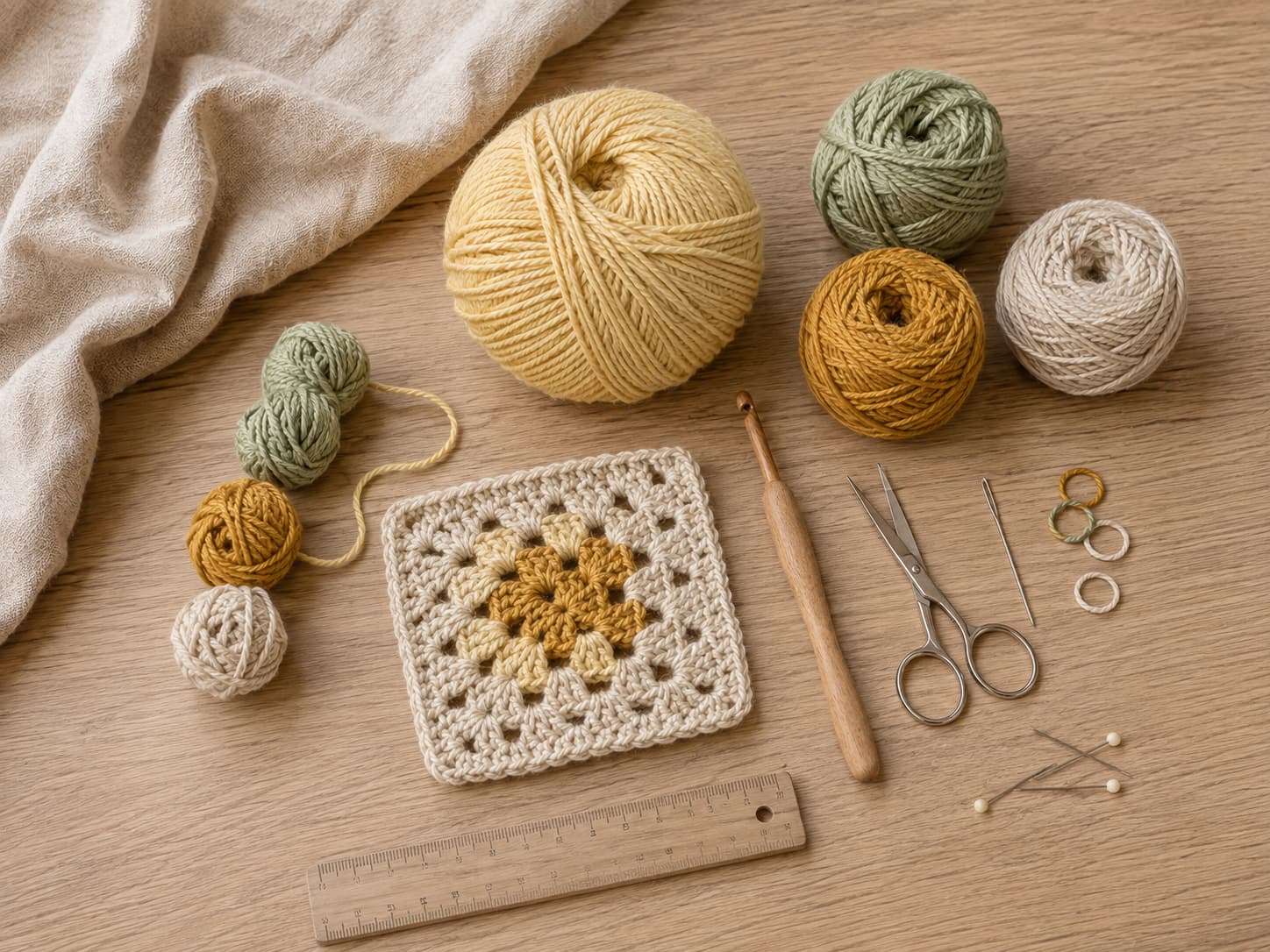
Image 02 · Cotton yarn and toolsSuggested file: knitsoul-crochet-coaster-materials-coral-sage-ochre-oatmeal.jpgReplace only the img src value above with the full HTTPS WordPress Media URL.
Choose smooth, washable cotton and keep the hook size consistent across the set so the four designs feel related.
Item
Specification
Why it matters
Yarn
95–120 yd / 87–110 m smooth Category 4 cotton
Absorbs condensation, washes easily, and creates a stable fabric.
Hook
4.5 mm, or size needed for the stated gauge
A moderately firm gauge helps the coasters protect the surface and lie flat.
Supports counting, finishing, measuring, and blocking.
Sample colors
Warm coral, muted sage, golden ochre, soft oatmeal
Creates visual variety without turning the set into a high-saturation rainbow.
Care check
Follow the specific yarn label
Different dyes, cotton constructions, and blends can shrink or release color differently.
Measurements
Measure after washing instead of promising one universal size
Reference gauge: 16 single crochet stitches and 18 rows = 4 in / 10 cm after washing. Gauge is not as critical as it is for clothing, but it determines whether the four pieces look like a deliberate set.
Design
Working count
Target before final verification
Single crochet square
16 sts × 18 rows
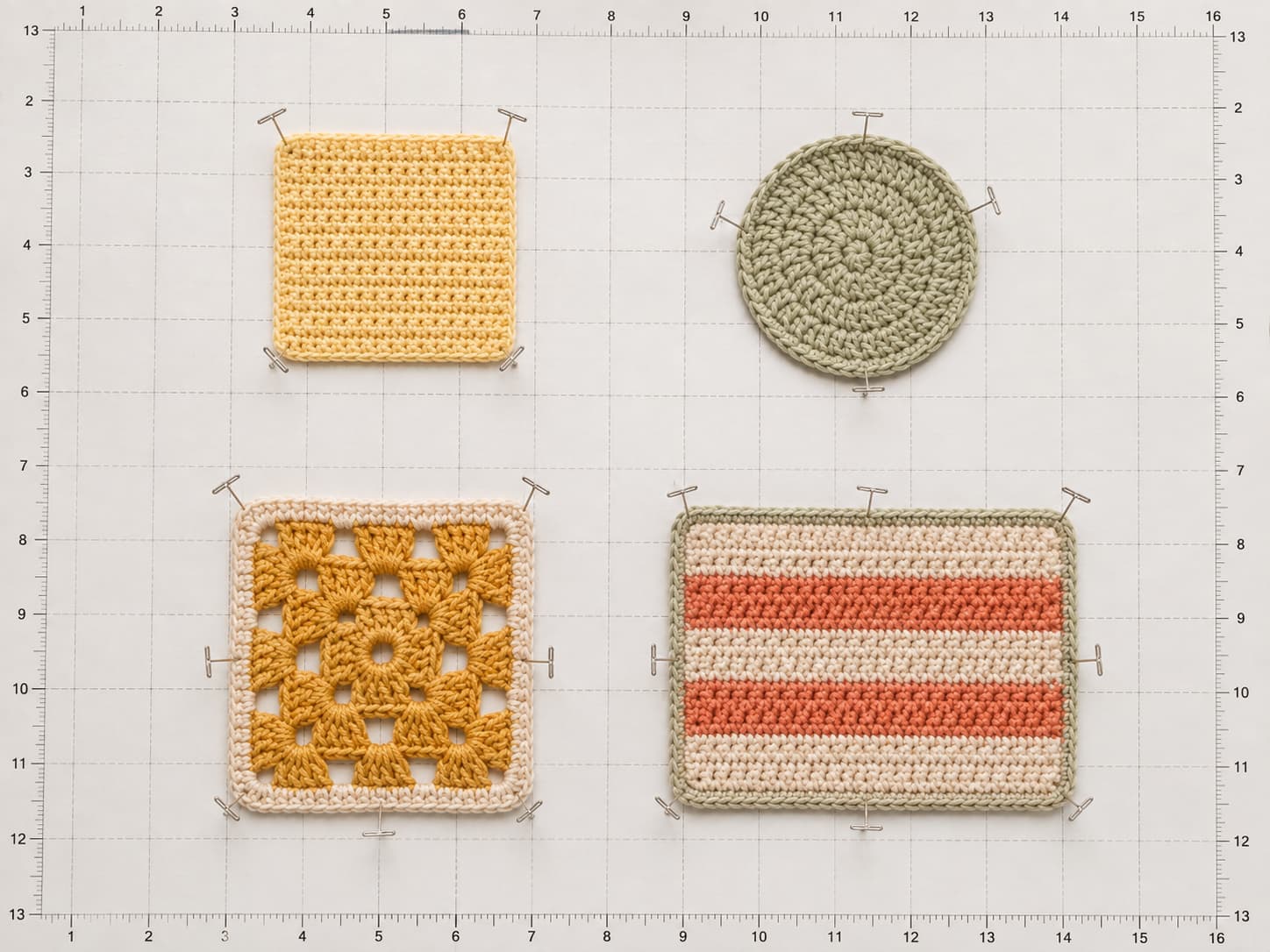
About 4 × 4 in / 10 × 10 cm
HDC circle
48 hdc + border
About 4¼–4½ in / 11–11.5 cm diameter
Mini granny
3 cluster rounds + 56-sc border
About 4¼ in / 11 cm square
Striped rectangle
14 sts × 20 rows + border
About 3½ × 4½ in / 9 × 11.5 cm
Complete free patterns
Four coasters, written as standalone patterns
Design 1 · Single Crochet Square
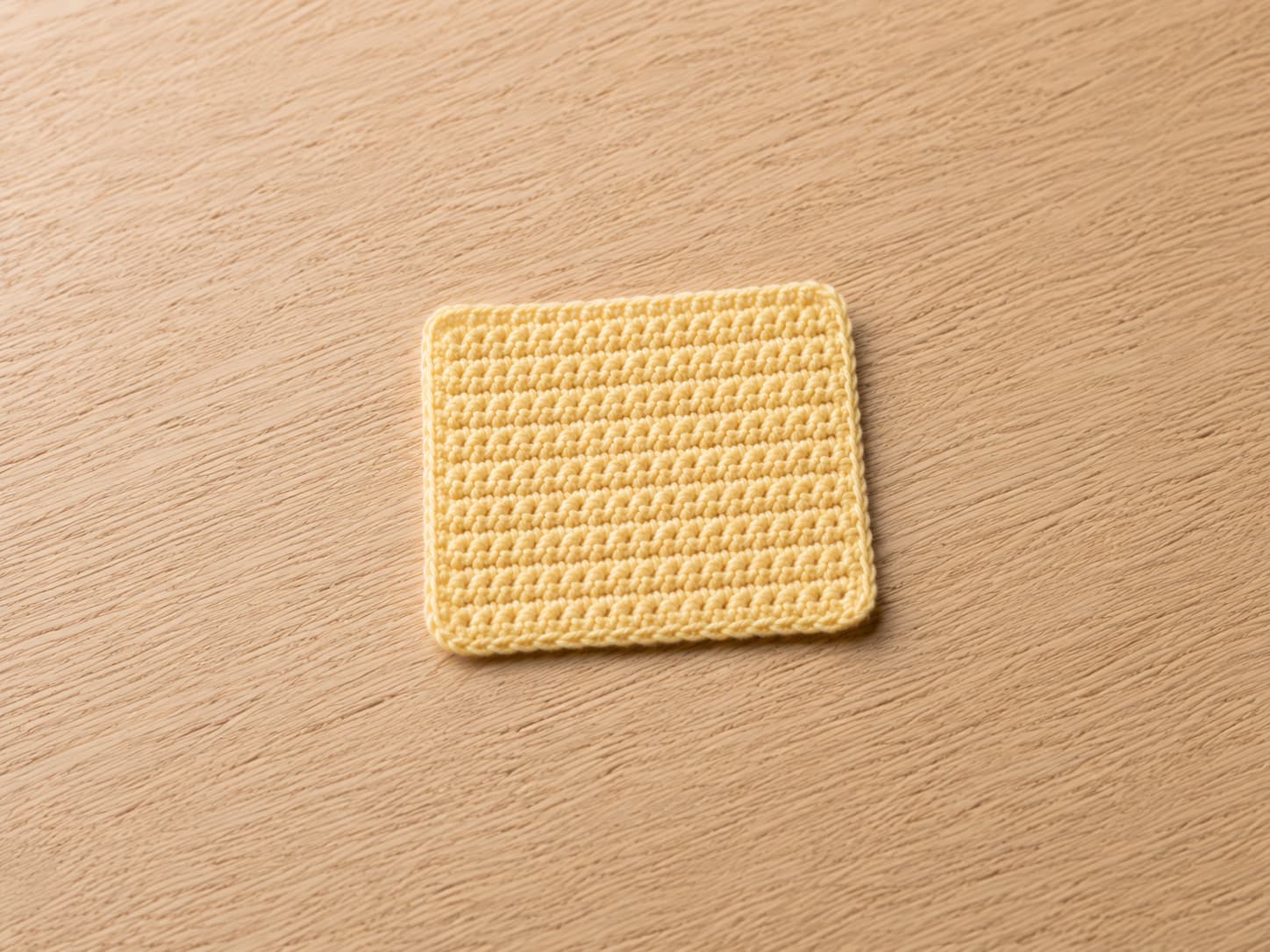
Image 03 · Warm-coral single crochet squareSuggested file: knitsoul-single-crochet-square-coaster-warm-coral.jpgReplace only the img src value above with the full HTTPS WordPress Media URL.
The square teaches row counting, turning, edge control, and consistent single crochet tension.
Warm coral sample
Dense Single Crochet Square
Finished targetAbout 4 in square
Planning yarn20–25 yd / 18–23 m
Foundation
Ch 17. Starting in the second ch from hook, sc in each ch across. Ch 1, turn. 16 sts.
Rows 2–18
Sc in each st across. Ch 1, turn after Rows 2–17. Do not chain after Row 18. Keep the first and last stitches visible and recount periodically. 16 sts.
Finish
Fasten off with a 6 in / 15 cm tail. Weave the tail through several stitches in changing directions without pulling the edge inward.
Design 2 · Half-Double Crochet Circle
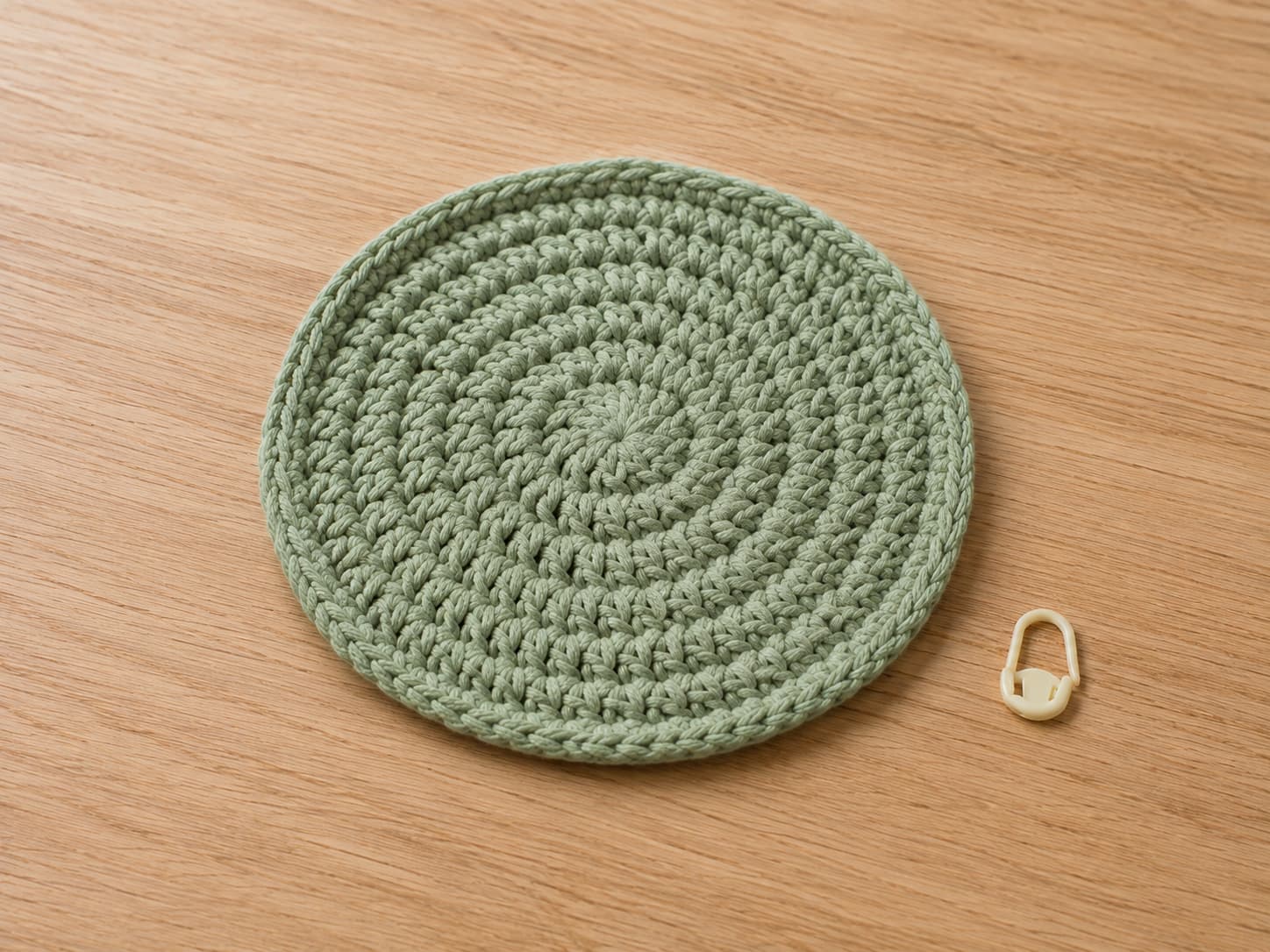
Image 04 · Muted-sage half-double crochet circleSuggested file: knitsoul-half-double-crochet-circle-coaster-muted-sage.jpgReplace only the img src value above with the full HTTPS WordPress Media URL.
Evenly spaced increases should create a flat circle rather than a cupped or ruffled edge.
Muted sage sample
Textured HDC Circle
Round 1
Make a magic ring. Ch 1; it does not count as a stitch. Work 12 hdc into the ring. Sl st to the first hdc. Tighten the centre. 12 hdc.
Round 2
Ch 1. Work 2 hdc in every stitch around. Sl st to the first hdc. 24 hdc.
Round 3
Ch 1. *2 hdc in next st, hdc in next st; repeat from * around. Sl st to first hdc. 36 hdc.
Round 4
Ch 1. *2 hdc in next st, hdc in next 2 sts; repeat from * around. Sl st to first hdc. 48 hdc.
Border
Ch 1. Sc in the back loop only of every stitch around. Sl st to first sc and fasten off. 48 sc.
Design 3 · Mini Granny Square
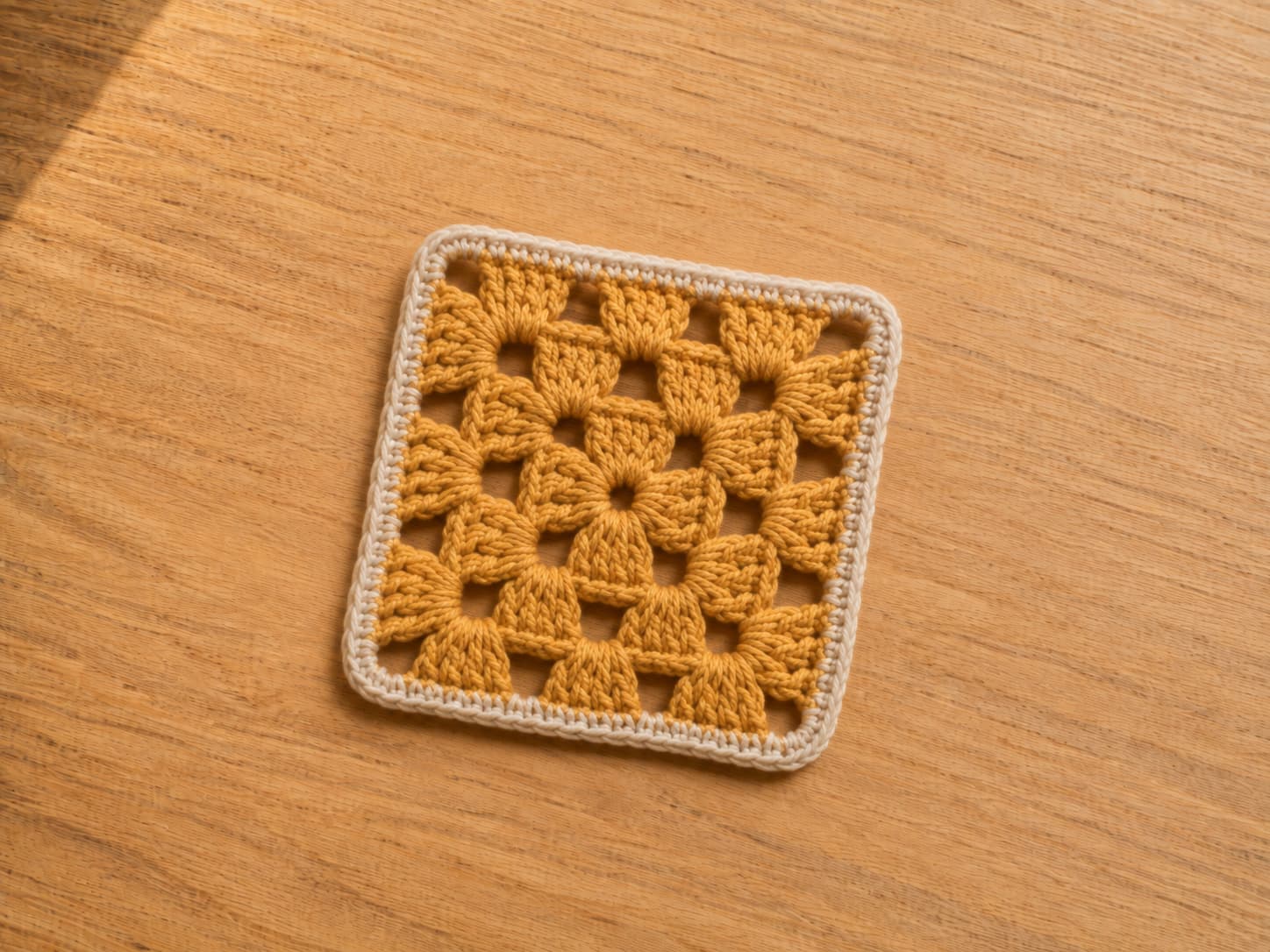
Image 05 · Golden-ochre mini granny squareSuggested file: knitsoul-mini-granny-square-coaster-golden-ochre-oatmeal.jpgReplace only the img src value above with the full HTTPS WordPress Media URL.
The mini granny square introduces corner spaces, cluster placement, and repeat reading in a small project.
Golden ochre + oatmeal
Three-Round Granny Coaster
Round 1
Make a magic ring. Ch 3; it counts as the first dc. Work 2 dc, ch 2, then *3 dc, ch 2* three times into the ring. Sl st to the top of beginning ch-3. 4 clusters and 4 corners.
Round 2
Sl st to the first corner. Ch 3, 2 dc, ch 2, 3 dc in the same corner. *Ch 1; (3 dc, ch 2, 3 dc) in next corner* three times. Ch 1; sl st to beginning ch-3. 8 clusters.
Round 3
Sl st to the first corner. Ch 3, 2 dc, ch 2, 3 dc in that corner. *Ch 1, 3 dc in next side space, ch 1, (3 dc, ch 2, 3 dc) in next corner* three times. Ch 1, 3 dc in final side space, ch 1; join. 12 clusters.
Border
Join oatmeal in any corner. Ch 1. Work 3 sc in each corner, 1 sc in each dc, and 1 sc in each ch-1 side space. Join and fasten off. 56 sc.
Design 4 · Striped Rectangle
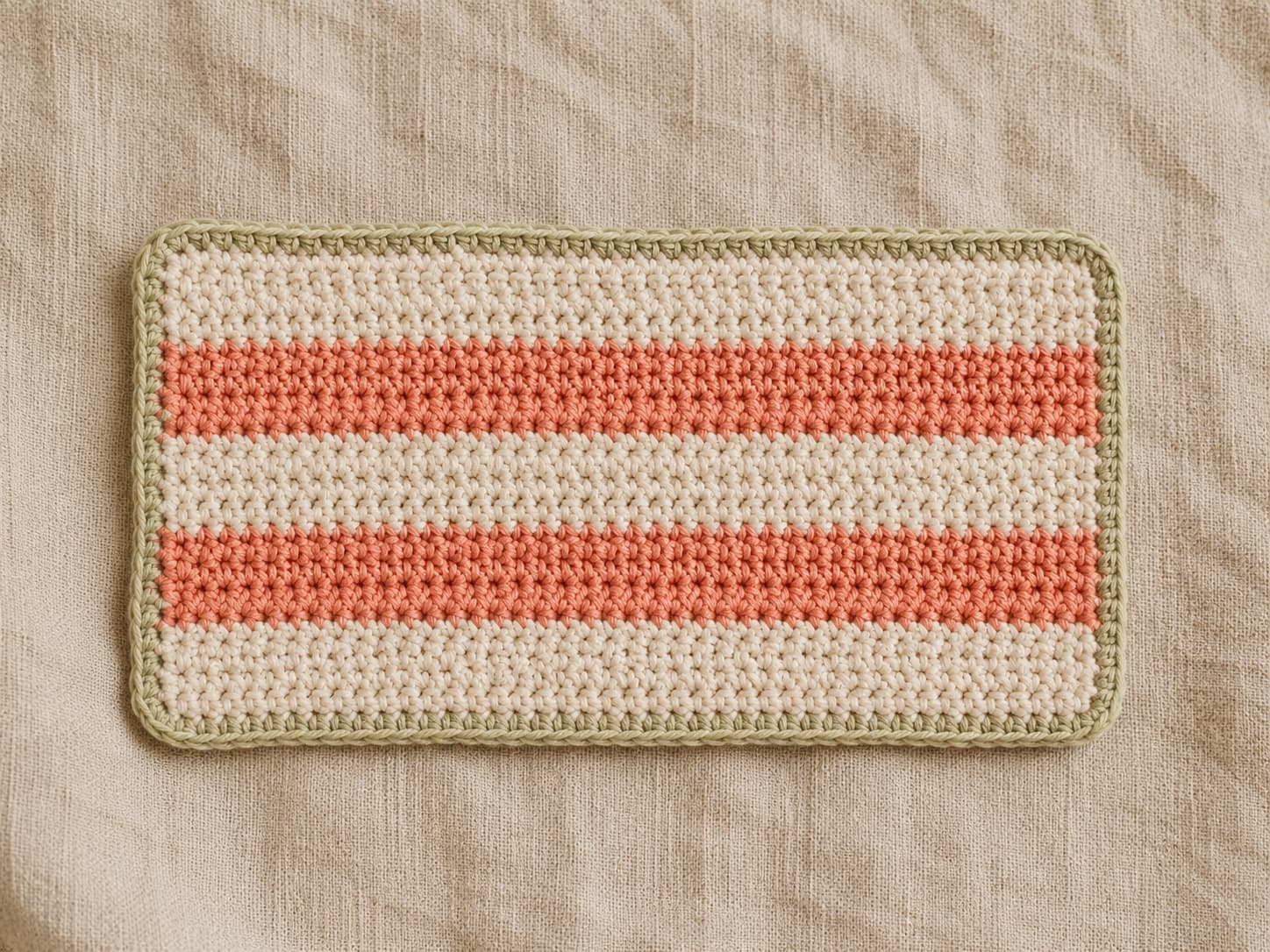
Image 06 · Oatmeal and coral striped rectangleSuggested file: knitsoul-striped-rectangle-crochet-coaster-oatmeal-coral.jpgReplace only the img src value above with the full HTTPS WordPress Media URL.
Four-row color blocks reduce the number of yarn ends while making the rectangular shape easy to see.
Oatmeal + warm coral
Four-Row Stripe Rectangle
Foundation and Row 1
With Color A, ch 15. Starting in the second ch from hook, sc across. Ch 1, turn. 14 sts.
Rows 2–20
Sc across every row. Work Rows 1–4 in A, Rows 5–8 in B, Rows 9–12 in A, Rows 13–16 in B, and Rows 17–20 in A. Change color in the final yarn-over of the last stitch of the previous block.
Border
With Color B, sc evenly around: one sc in each stitch across the short edges, approximately one sc per row along the long edges, and 3 sc in every corner. Adjust only the side-edge spacing as needed to keep the rectangle flat.
Finishing
Make the mixed designs look like one intentional set
Image 07 · Blocking all four cotton coastersSuggested file: knitsoul-cotton-crochet-coasters-blocking-borders.jpgReplace only the img src value above with the full HTTPS WordPress Media URL.
Light wet blocking helps cotton stitches settle, but final dimensions should be recorded only after the coasters are completely dry.
Weave cotton tails through several stitches in at least two directions.
Wash or soak according to the yarn label and test the colors together before combining saturated and pale shades.
Remove excess water without twisting the fabric.
Shape every coaster to its intended outline and measure the edges or diameter.
Allow the pieces to dry completely before stacking, photographing, or recording dimensions.
Practice tips and variations
Change color and scale without losing the construction logic
One-color set
Repeat all four structures in oatmeal, sage, or another single shade to make texture—not color—the visual focus.
Four-of-one set
Choose the easiest design for you and repeat it four or six times, checking that every dry piece has a similar size.
Larger mug mat
Add rows to a rectangular design or another properly increased round to the circle, then verify that the fabric remains flat.
Gift stack
Tie a fully dry set with cotton tape and include yarn-fibre and washing information instead of attaching an unsupported heat rating.
Image 08 · Finished coaster table settingSuggested file: knitsoul-finished-crochet-coaster-set-modern-table.jpgReplace only the img src value above with the full HTTPS WordPress Media URL.
A restrained four-color palette gives the mixed stitch designs a coordinated, gift-ready finish.
Troubleshooting
Six problems to fix before the set is finished
Uneven square edges
Mark the first stitch, count 16 stitches every few rows, and avoid working into the turning chain.
Cupped circle
Confirm the round count and relax the working loop before adding unplanned increases.
Ruffled circle
Verify that the rounds end at 12, 24, 36, and 48 stitches and use a firmer gauge when needed.
Rounded granny corners
Place every corner group into the ch-2 space and preserve all four corners.
Loose color-change edge
Complete the final yarn-over with the new color and keep the first stitch of the new row consistent rather than tight.
Different dry sizes
Compare washed, dry measurements rather than stretching one damp piece to match another.
Continue learning
Take each new skill into a larger beginner project
Smooth, washable cotton is the most practical choice because it absorbs condensation and gives the fabric enough body to lie flat. Cotton–linen blends can also work when the yarn label permits the intended washing method. Treat these as mug and glass coasters, not as trivets for cookware or dishes taken directly from an oven or stovetop.
2. How much yarn does one coaster use?
Plan on roughly 20–30 yards / 18–27 metres of medium-weight cotton per coaster, depending on the design, gauge, border, and final size. Weigh the yarn before and after the photographed samples if you want to publish an exact number for your chosen yarn.
3. Why is my circular coaster cupping?
Cupping usually means the round needs more width, your tension is tighter than the sample, or the hook is too small for the yarn. Confirm the stitch count first. When the count is correct, try relaxing the working loop or moving up 0.5 mm rather than adding random increases.
4. Why is my circular coaster ruffling?
Ruffling usually means the fabric has too much circumference for its centre. Confirm that each increase round adds exactly twelve half-double crochet stitches. When the count is correct, use a slightly smaller hook or firmer tension for the circle.
5. Can I make all four coasters in one color?
Yes. A single-color set emphasizes the difference between single crochet, half-double crochet, granny clusters, and stripes. The four-color sample is a visual option, not a pattern requirement.
6. Can I machine-wash the finished set?
Follow the care instructions on the yarn label. Many cotton yarns are machine washable, but dyes, blends, and finishing treatments differ. Wash a sample first, avoid fabric softener when absorbency matters, reshape while damp, and measure after drying.
7. May I sell finished coasters made from this pattern?
You may sell finished physical coasters made from the pattern. Do not copy, redistribute, or sell the written instructions or photography. A visible credit and link to Knitsoul is appreciated when the finished items are listed online.
Four small wins
Let the palette coordinate the set while each stitch teaches something different
Work one design at a time, count before correcting the shape, and judge the final size only after washing and drying. The result is a practical set and a compact record of four techniques you can reuse in larger projects.