Crochet vs Knitting Cost, Speed & Yarn Use: How to Compare Fairly
Replace fixed internet percentages with a repeatable method for comparing startup tools, project materials, active time, correction time, washed fabric, and yarn consumed.
Written by Sophie Lane•Published •About 10 minutes to read
The honest answer depends on the project and the test
Crochet and knitting do not have one permanent cost, speed, or yarn-efficiency ranking. A comparison changes when the stitch, gauge, dimensions, fiber, fabric density, tool requirements, maker experience, corrections, and finishing change.
This guide does not repeat the broad technique comparison in Crochet vs Knitting: Which Should You Learn First?. Instead, it gives you a measurement framework. Use it to compare two real first projects, two equal-purpose swatches, or two patterns intended to make a similar object.
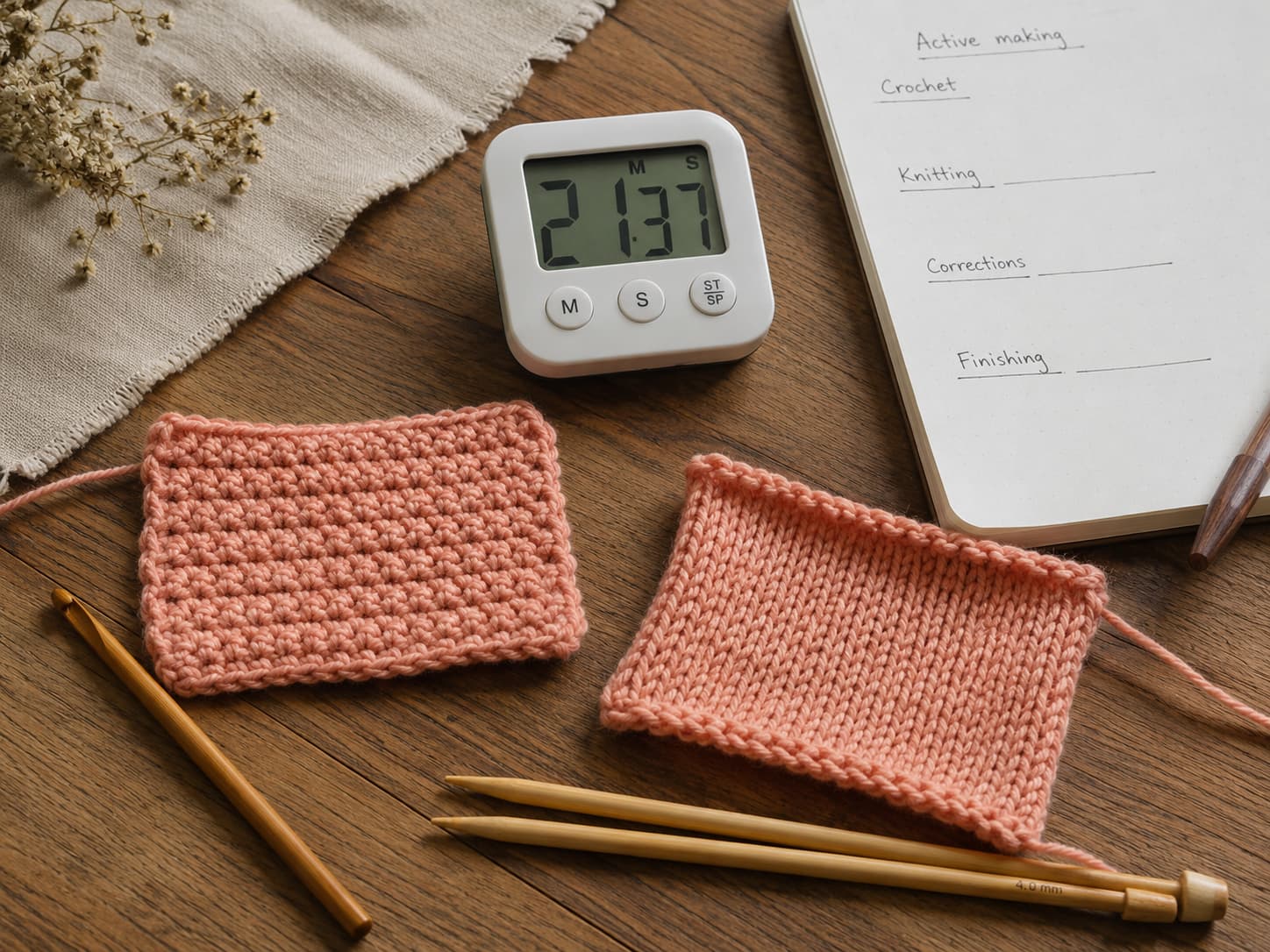
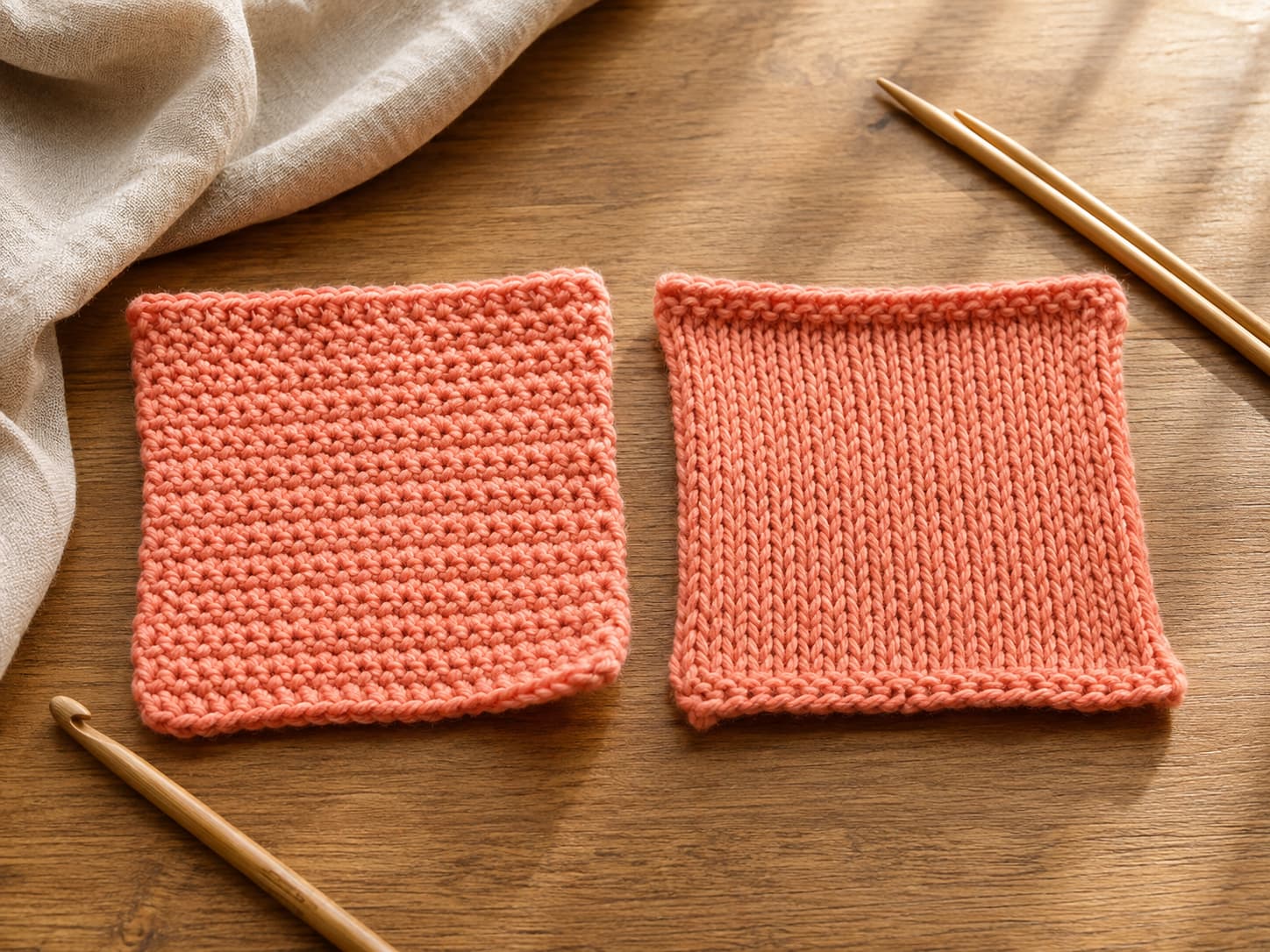
Image 01 · Fair crochet and knitting comparisonSuggested file: knitsoul-crochet-vs-knitting-cost-speed-yarn-warm-coral-fair-test.jpgReplace only the img src value above with the full HTTPS WordPress Media URL.
Use the same yarn color and comparable finished fabrics so cost, speed, and yarn-use measurements stay visually clear and methodologically fair.
Startup comparisonActual project tools
Compare only what each selected project requires.
Project costLength × dated price
Use total yards or meters, not skein count alone.
SpeedActive time + corrections
Record making, repair, assembly, and finishing separately.
Yarn useWeight per washed area
Useful for comparable flat swatches and repeatable tests.
Fairness controlSame purpose and yarn
Do not compare a dense mat with an open lace panel.
Best conclusionConditional, not universal
State what won under the recorded conditions.
On this page
Define the question
“Cheaper” and “faster” hide four different measurements
Minimum startup cost
The reusable tools and notions required to complete one selected beginner project.
Consumable project cost
Yarn and project-specific consumables purchased for one size and version.
Total completion time
Active making, corrections, assembly, finishing, and blocking setup—not drying time.
Material efficiency
The yarn used to create a stated washed area or a complete tested object.
Startup tools
Price the minimum kit for one chosen project
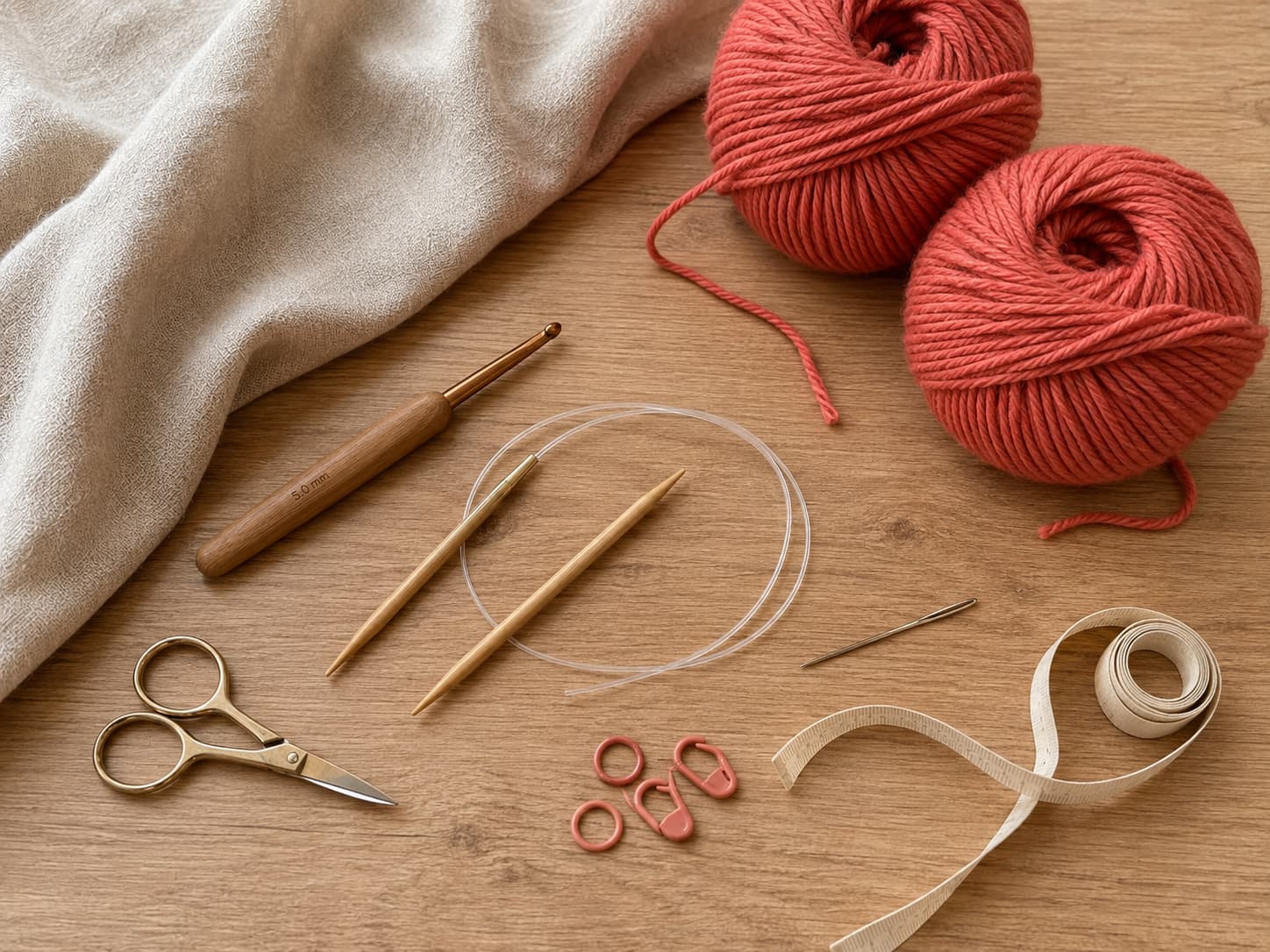
Image 02 · Minimum starter toolsSuggested file: knitsoul-crochet-knitting-minimum-starter-tools-warm-coral.jpgReplace only the img src value above with the full HTTPS WordPress Media URL.
Compare the minimum tool kit for a real beginner project before adding optional sets or duplicate accessories.
Cost line
Crochet project
Knitting project
Shared or optional?
Main tool
Required hook diameter
Required needle diameter and construction
Project-specific
Small-circumference tools
Only when pattern needs them
DPNs or long circular when pattern needs them
Project-specific
Markers
Locking markers may serve as stitch or row markers
Ring or locking markers
Often reusable
Finishing
Tapestry needle and scissors
Tapestry needle and scissors
Shared
Measurement
Tape measure or ruler
Tape measure or ruler
Shared
Optional set
Full hook range
Interchangeable needle set
Exclude from minimum startup
Enter local prices beside each required line and record the date, currency, retailer, tax, and shipping treatment. A tool set bought for future flexibility is not the minimum cost of the first project.
Consumable cost
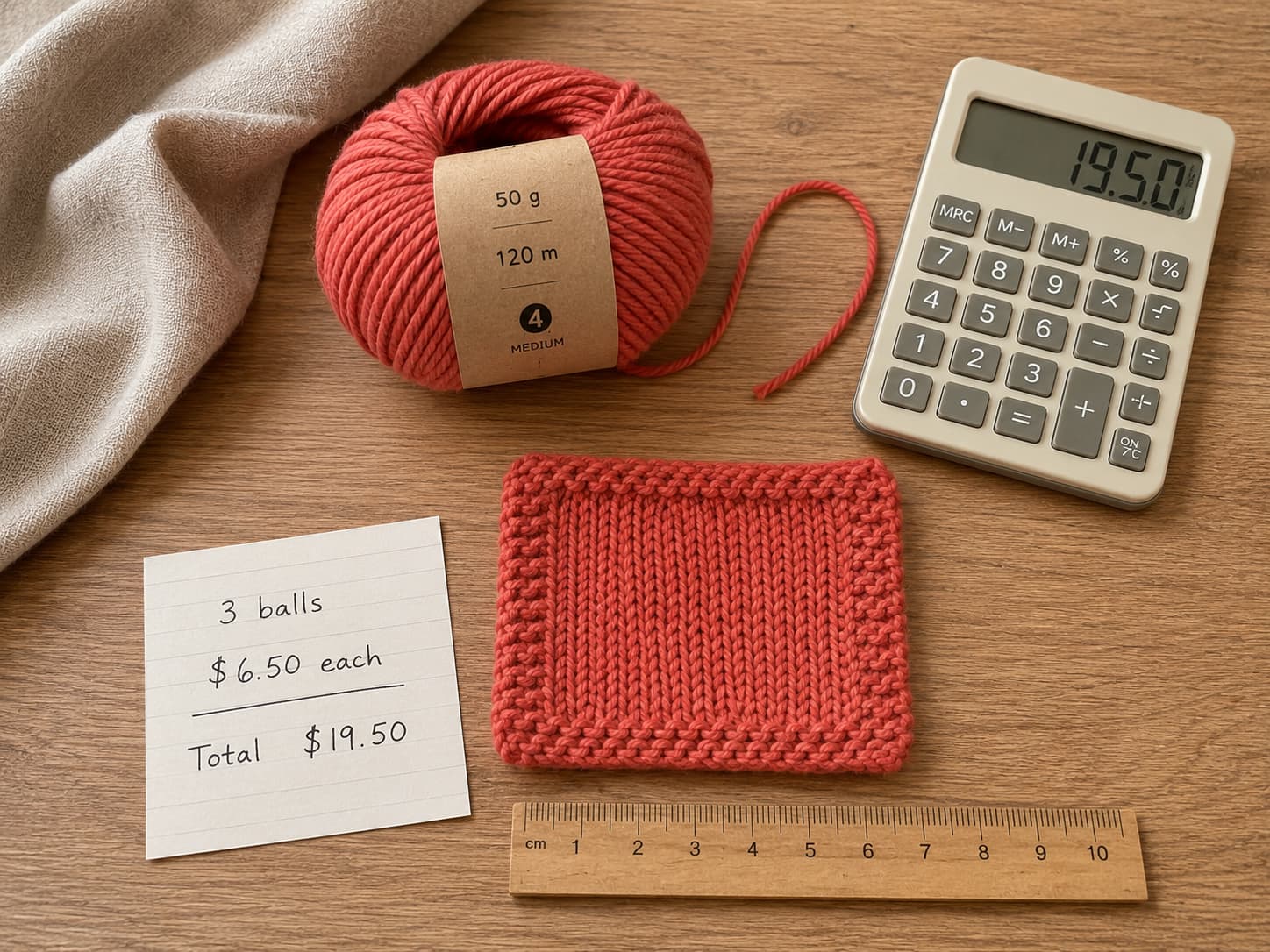
Calculate yarn from total length, not ball count
Image 05 · Project cost calculationSuggested file: knitsoul-yarn-label-meterage-project-cost-calculation-warm-coral.jpgReplace only the img src value above with the full HTTPS WordPress Media URL.
Calculate project cost from required yarn length, complete balls purchased, and clearly dated local prices.
Minimum balls requiredpattern yards or meters ÷ yards or meters per ball
Round up to a complete ball. Add a transparent contingency when swatching, matching color repeats, modifying size, or using an uncertain substitution.
Material purchase costcomplete balls required × dated price per ball
State whether the price includes tax, shipping, coupons, or a temporary sale.
Use the same scale and include all project yarn that becomes part of the object. Keep swatch use separate when you want a production-only figure.
Controlled test
Make equal-purpose swatches with recorded conditions
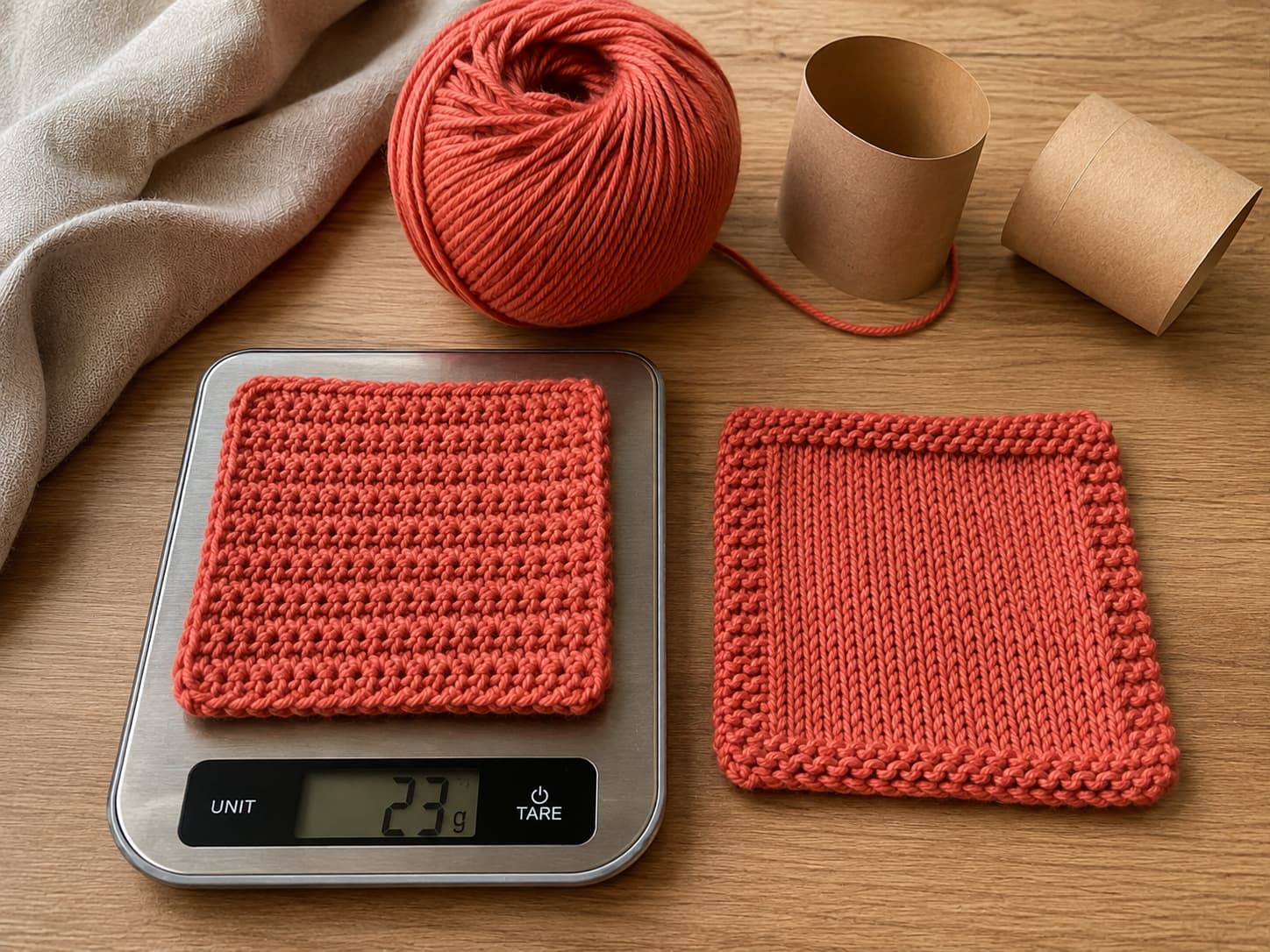
Image 03 · Weighing equal-purpose swatchesSuggested file: knitsoul-crochet-knit-swatches-yarn-weight-scale-warm-coral.jpgReplace only the img src value above with the full HTTPS WordPress Media URL.
Weigh yarn use after washing and drying, then compare the finished area instead of repeating a generic internet percentage.
1
Choose a function. Compare two dishcloth fabrics, two scarf fabrics, or two warm hat fabrics—not unrelated stitch densities.
2
Use the same yarn lot. Wind or weigh separate portions and record fiber, construction, color, and label meterage.
3
Select suitable tools independently. Each craft should create fabric appropriate for the chosen function, even when the metric tool diameters differ.
4
Practise before timing. Complete enough rows to understand the repeat and reduce a first-attempt penalty.
5
Make at least two swatches per craft. Repetition reveals whether one result was an outlier.
6
Wash and dry consistently. Measure final area, thickness, weight, drape, and elasticity after the same care process.
Yarn use
Report grams per washed area instead of a universal percentage
Washed swatch areafinished width in cm × finished height in cm = cm²
Normalized material rategrams used ÷ finished cm² × 100 = grams per 100 cm²
Average multiple swatches. Add notes on thickness, stretch, opacity, drape, and recovery. A fabric that uses less yarn but fails the project’s function is not the better result.
Time study
Separate active making from repair and finishing
Image 04 · Timing active makingSuggested file: knitsoul-crochet-knitting-active-time-test-warm-coral.jpgReplace only the img src value above with the full HTTPS WordPress Media URL.
A useful speed comparison records setup, active stitching, corrections, and finishing as separate time categories.
User valueFit, comfort, function, and likelihood of use.
A crochet basket and a knitted sock do not answer the same question. A fair project comparison pairs objects with similar function, size, and expected performance, then explains the remaining construction differences.
Price freshness
Treat prices as dated observations
Retail prices change with country, currency, tax, shipping, sale periods, availability, and brand. For an evergreen page, provide blank fields or a methodology. When publishing a price table, add the collection date, region, retailers checked, tax and shipping rules, and whether the value is a median, range, or single listing.
Budget decisions
Spend on the project you will actually finish
Buy one required tool size first. Test grip, tip, cable, and hand comfort before buying a set.
Use meterage and gauge to choose yarn. A cheaper ball can cost more when it contains less length.
Swatch before opening every ball. Confirm fabric and gauge while returns remain possible.
Share reusable notions between crafts. Scissors, tape measures, tapestry needles, and many markers do not need duplicate kits.
Buy yarn for a named project. Planned quantity is easier to use than unrelated single balls.
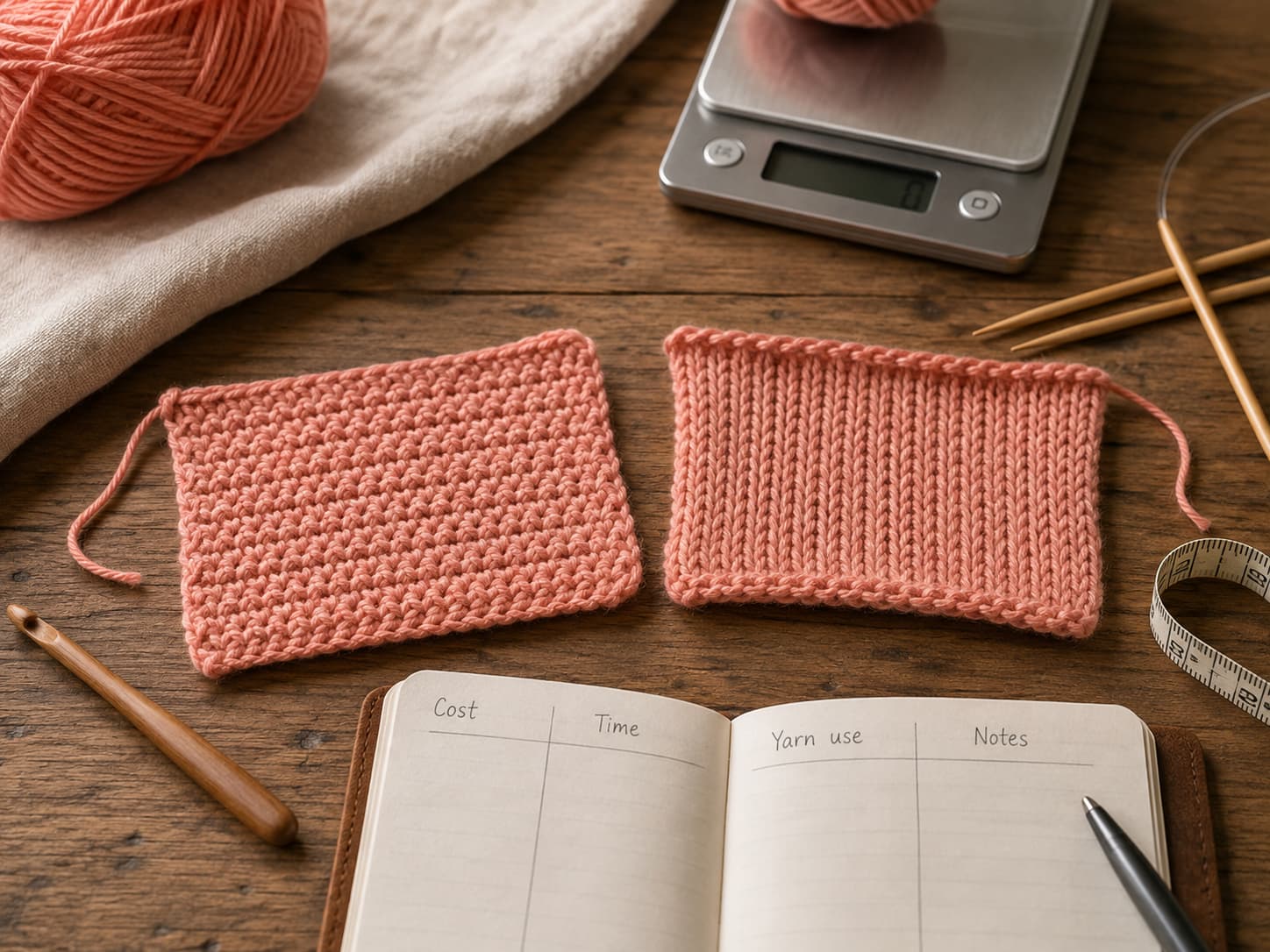
Image 06 · Comparison worksheetSuggested file: knitsoul-crochet-vs-knitting-test-worksheet-warm-coral.jpgReplace only the img src value above with the full HTTPS WordPress Media URL.
A reusable worksheet gives you a more trustworthy answer than a universal claim about cost, speed, or yarn use.
Troubleshooting
Six errors that produce a confident but weak conclusion
Using one stitch as the whole craft
Single crochet, granny clusters, stockinette, garter, cables, and lace have different material rates.
Comparing different functions
Match warmth, density, drape, stretch, and dimensions before comparing efficiency.
Hiding correction time
Beginner errors are part of real completion time and should be reported separately.
Using temporary sale prices
Date the price and state the market conditions instead of presenting it as permanent.
Buying full sets for startup math
Compare minimum project requirements and show optional upgrades separately.
Generalizing a personal stopwatch
Report the maker, experience, technique, sample size, and test conditions.
It can be when the chosen crochet project needs one hook and the chosen knitting project needs a specific circular length or several needle types. It is not a universal rule. Compare the minimum tools required by the two actual first projects, use local dated prices, and exclude optional sets until preferences are known.
2. Does crochet always use more yarn than knitting?
No fixed percentage applies across all stitches and fabrics. Yarn use changes with gauge, stitch structure, density, dimensions, fiber, construction, and finishing. Compare equal-purpose washed swatches made from the same yarn, then weigh the yarn used. A dense single-crochet fabric and an open crochet motif will not produce the same result.
3. Which craft is faster?
There is no universal winner. Crochet stitches can be taller, while simple knitting can become highly efficient. Speed changes with technique, maker experience, corrections, project construction, tool size, and the required fabric. Time the complete tested project or compare equal-purpose swatches after a short practice period.
4. How do I compare yarn use fairly?
Use the same yarn, make swatches intended for the same function, record starting and ending weight, wash and dry them, measure the final area, and calculate grams per 100 square centimeters or ounces per square inch. Repeat the test and average the results. Do not generalize one stitch comparison to both crafts.
5. Should I include tool cost in project cost?
Separate startup cost from consumable project cost. Tools can be reused, so you may show the full first-project cost and an optional amortized cost per project. State the assumed number of projects and do not present amortization as money already spent.
6. Can I use online prices in the article?
Prices change by country, retailer, sale, tax, shipping, and date. A durable article should use a blank comparison worksheet or clearly date and source every price snapshot. Avoid describing a temporary sale as a normal market price.
7. What is the best budget strategy for either craft?
Choose one real project, buy only the required metric tool size and essential notions, use a smooth yarn with enough total meterage, swatch before committing, and delay large sets or speculative stash purchases until you know which materials and constructions you enjoy.
Measure before declaring a winner
A transparent conditional answer is more useful than a universal percentage
Record the project, yarn, tools, gauge, washed dimensions, material used, active time, corrections, assembly, finishing, price date, and maker experience.
Then state the narrow conclusion honestly: under these conditions, one sample used less yarn, one was faster to complete, or one required fewer first-project tools. That evidence remains useful without pretending every crochet and knitting project behaves the same way.