Start here
A quick project that still feels finished and wearable
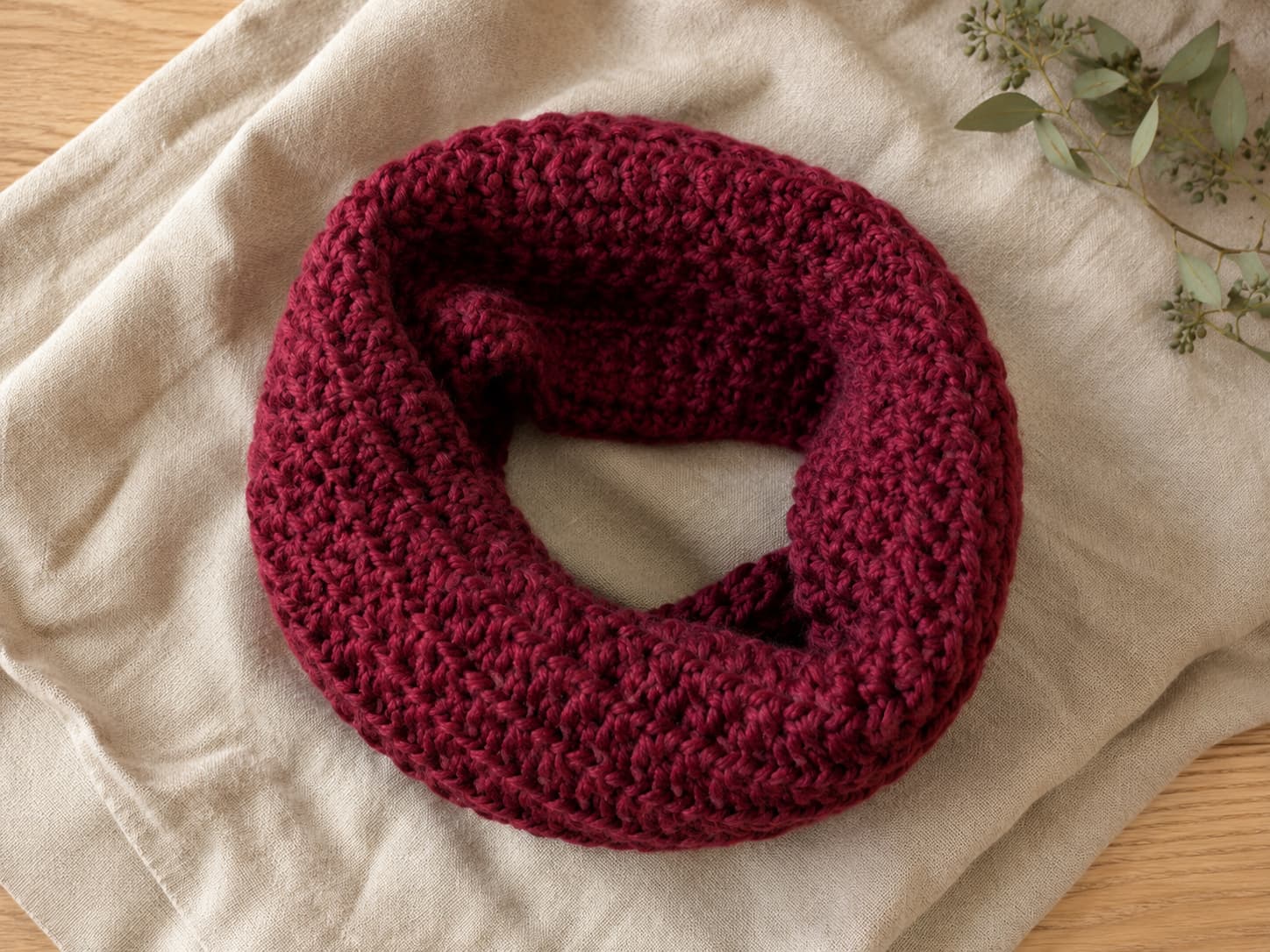
This crochet chunky cowl is designed to give a beginner a fast, useful win. Bulky yarn makes every round easy to see, half double crochet creates a warm fabric without becoming board-stiff, and the joined-round construction teaches a skill you can reuse for hats, baskets, bags, and other circular projects.
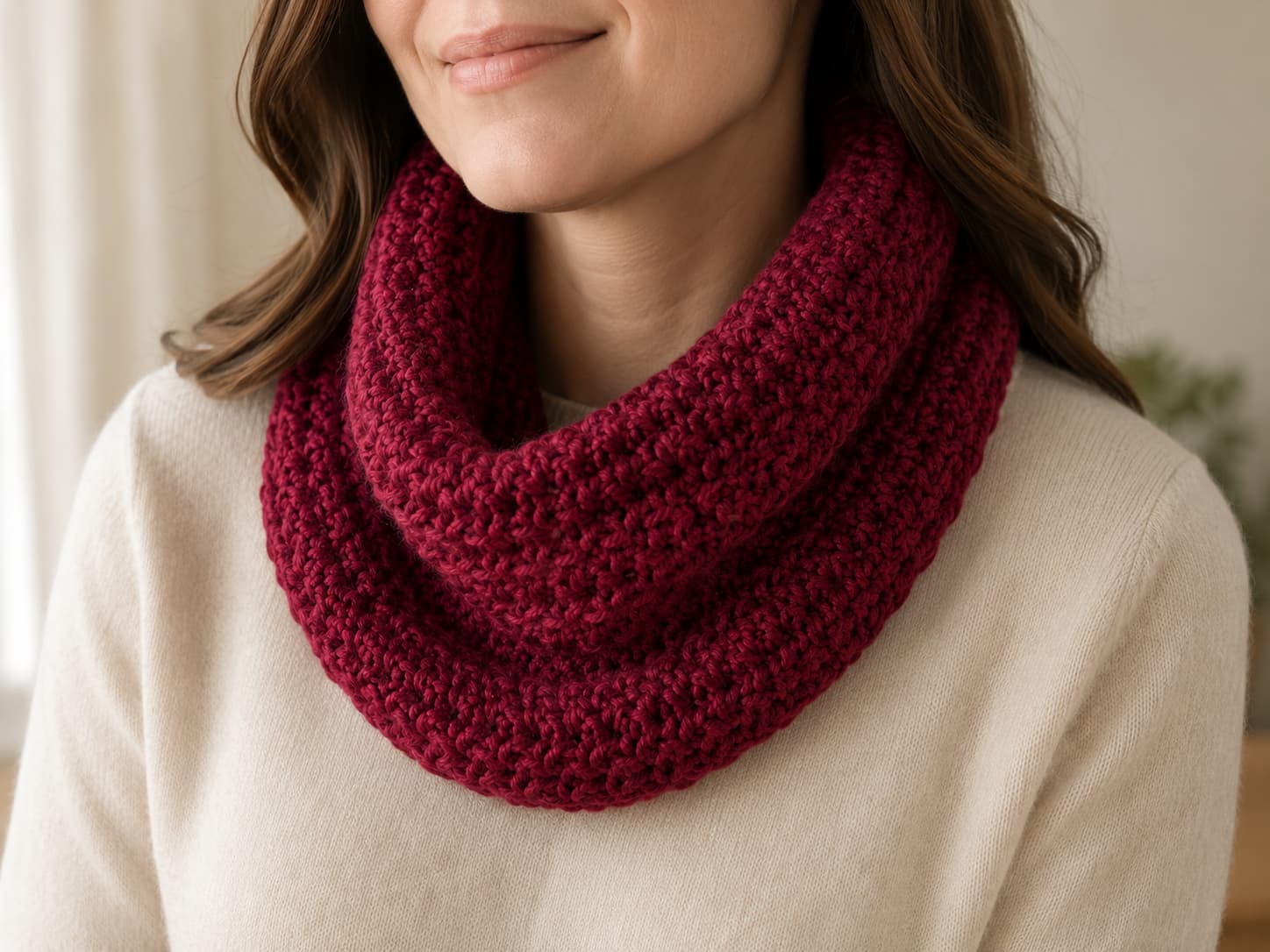
The featured sample uses deep cranberry / mulled wine as the main yarn color, supported by warm oatmeal and muted olive-sage styling. The combination feels rich enough for a winter accessory while still fitting KnitSoul’s calm linen, wood, cream, and low-saturation visual language.
Chain, slip stitch, half double crochet, and joined rounds.
Foundation chain joined into a circle, then worked upward.
Use a larger hook for the foundation chain only if you chain tightly.
Allow about 100 yd for single loop or 180 yd for double loop.
Choose a close single loop or a longer cowl that wraps twice.
Equals 4 inches / 10 cm in the finished fabric.
In this article
1.Supplies and Yarn Suggestions
| Item | What you need | Notes |
|---|---|---|
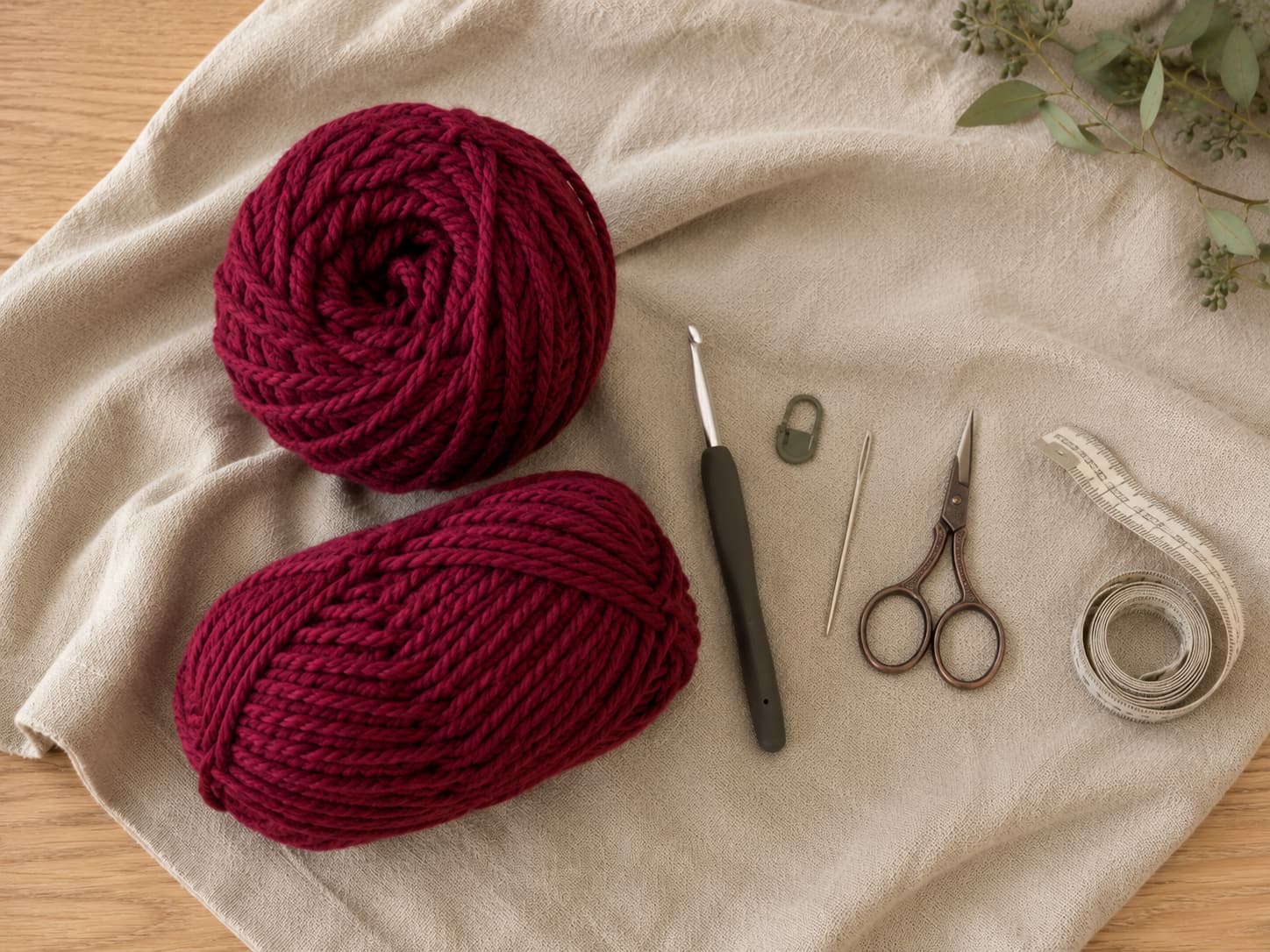
| Hook | US K/10.5 (6.5 mm) | Use an ergonomic hook if bulky yarn tends to tire your hand. |
| Yarn | Bulky weight (#5), about 100 (180) yd | Choose a soft yarn with enough body to hold the cowl shape without feeling scratchy at the neck. |
| Stitch marker | 1 locking marker | Mark the beginning-of-round join so you do not accidentally add or skip stitches. |
| Tapestry needle | Blunt tip, large eye | For weaving the starting and finishing tails into the inside of the cowl. |
| Scissors | Small sharp scissors | Any clean pair is fine. |
| Measuring tape | Flexible tape | Check gauge, circumference, and final height. |
Post 30 color direction
Main sample — deep cranberry / mulled wine. A rich, softened wine red gives the chunky texture depth without becoming visually loud. It pairs naturally with oatmeal coats, camel, denim, charcoal, and cream knitwear.
Alternative 1 — warm oatmeal. Use this if you want the most neutral version. The light color also makes each half double crochet stitch easy to read.
Alternative 2 — muted olive sage. This keeps the project earthy and understated while adding more color than oatmeal. Avoid fluorescent or highly yellow greens; a greyed olive-sage suits the KnitSoul palette better.
2.Sizing and Gauge
| Measurement | Single Loop | Double Loop |
|---|---|---|
| Foundation chain | 66 ch | 138 ch |
| Finished circumference | About 24 in / 61 cm | About 50 in / 127 cm |
| Finished height | About 8 in / 20 cm | About 8 in / 20 cm |
| Yarn required | About 100 yd | About 180 yd |
| Estimated making time | About 1–1.5 hours | About 1.5–2 hours |
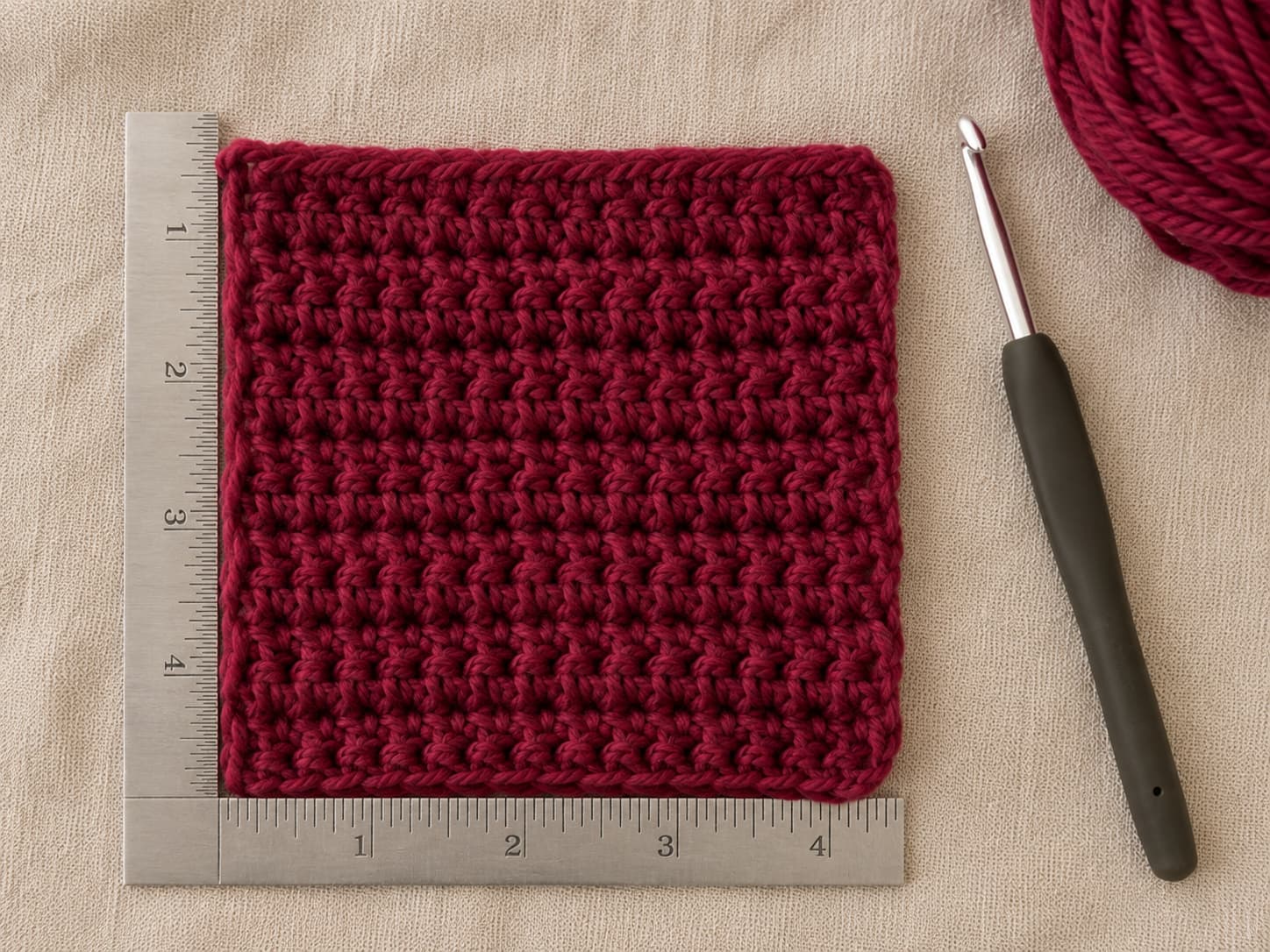
Gauge: 11 half double crochet stitches and 9 rounds = 4 inches (10 cm) with bulky (#5) yarn and a US K/10.5 (6.5 mm) hook.
The stitch gauge explains the finished circumference directly: 66 stitches at 11 stitches per 4 inches gives approximately 24 inches, while 138 stitches gives approximately 50 inches. Eighteen rounds at 9 rounds per 4 inches gives approximately 8 inches of height.
A cowl is more forgiving than a fitted sweater, but gauge still matters because it changes drape and neck comfort. If your fabric feels dense and rigid, try a larger hook. If it looks very open and floppy, try a smaller hook before changing stitch counts.
Swatch for feel as well as size: A neck accessory sits directly against the skin. Your gauge swatch is also the best place to decide whether the yarn feels soft enough and whether the fabric bends easily when folded.
3.Techniques You Will Use
The project is simple, but three details determine whether the finished cowl looks polished.
Half double crochet
Yarn over, insert the hook into the stitch, yarn over and pull up a loop, yarn over again, then pull through all three loops on the hook. In bulky yarn, hdc gives more drape than single crochet while staying warmer and denser than a tall open stitch.
Joining the foundation chain without a twist
After chaining 66 (138), lay the full chain flat and follow the top edge from the hook all the way back to the first chain. Make sure the chain bumps face the same direction before slip stitching into the first chain. If the foundation is twisted at this point, every later round will preserve that twist.
Joined rounds
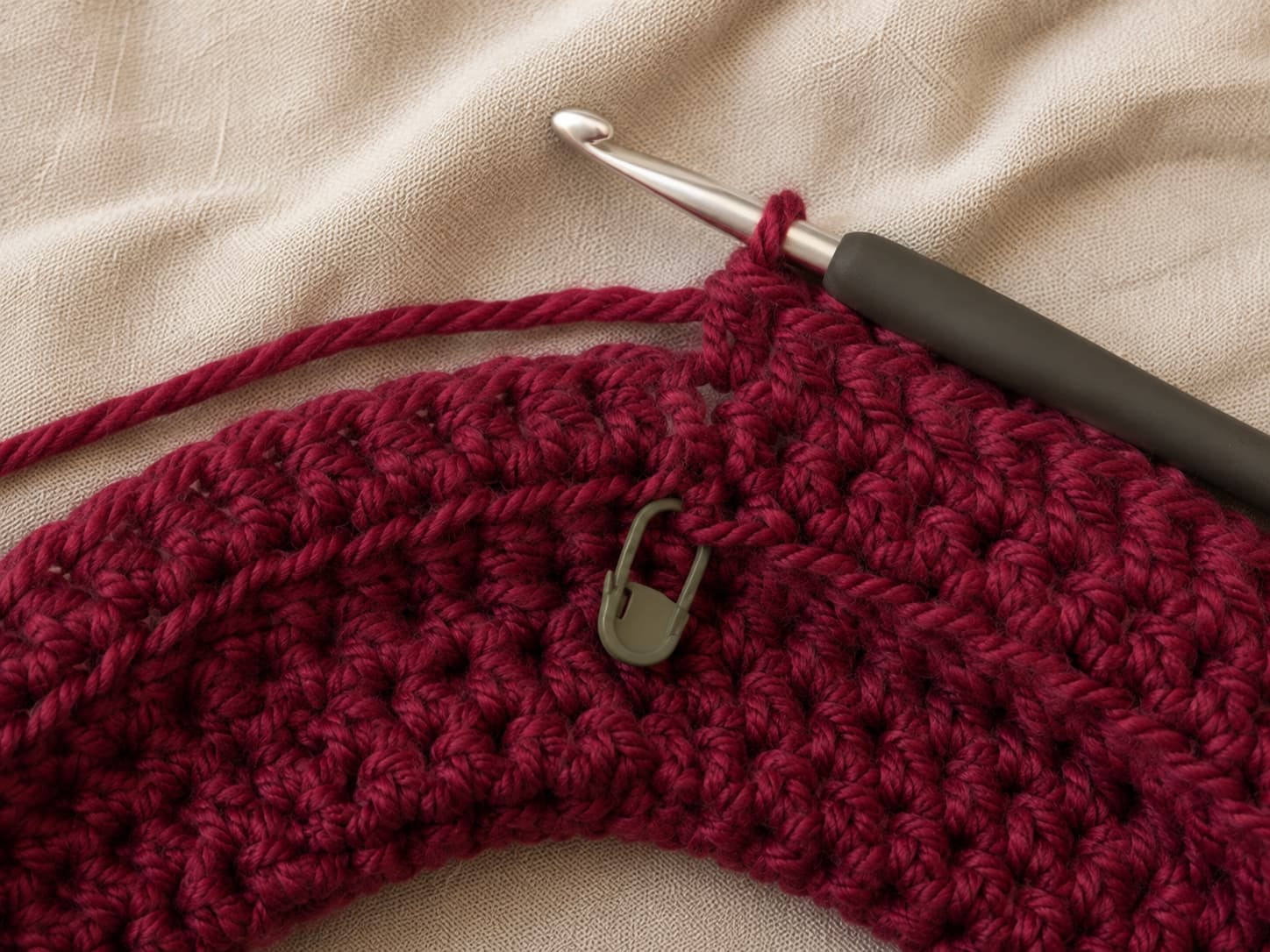
At the end of each round, slip stitch into the first hdc of that round. Chain 1 to bring the hook to working height; the chain 1 does not count as a stitch. Work the first hdc into the same stitch as the join and keep the marker at the round start.
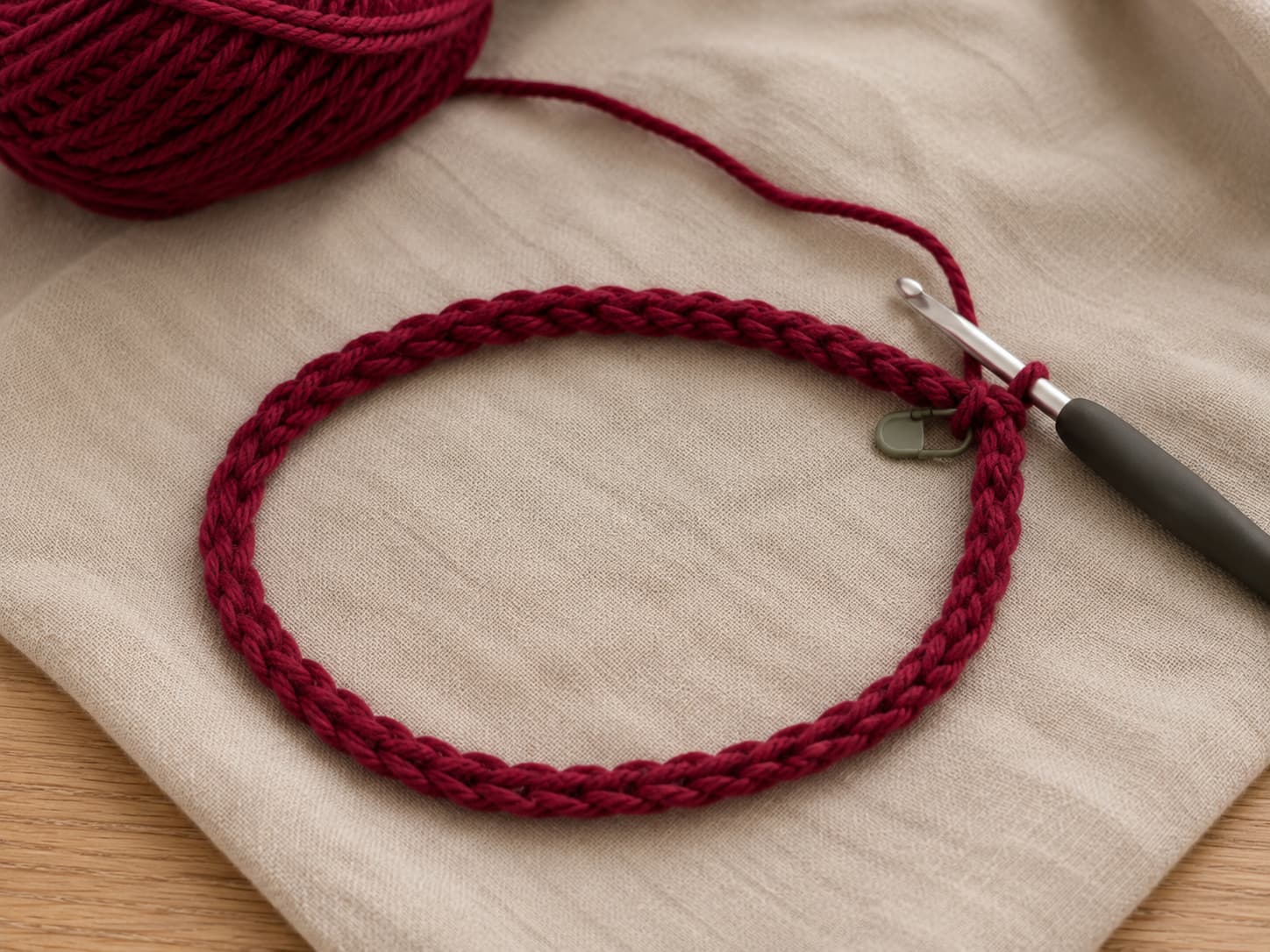
4.Crochet Chunky Cowl Pattern
Pattern notes: Instructions are written for the single loop with the double loop in parentheses. Use US crochet terminology. Ch 1 at the beginning of a round does not count as a stitch. The stitch count remains 66 (138) hdc throughout the body.
Crochet Chunky Cowl
Sizes: Single Loop (Double Loop) • Hook: US K/10.5 / 6.5 mm • Yarn: Bulky #5, 100 (180) yd • Gauge: 11 hdc × 9 rnds = 4 in / 10 cm
Foundation and setup
Body
Optional top edge and fasten off
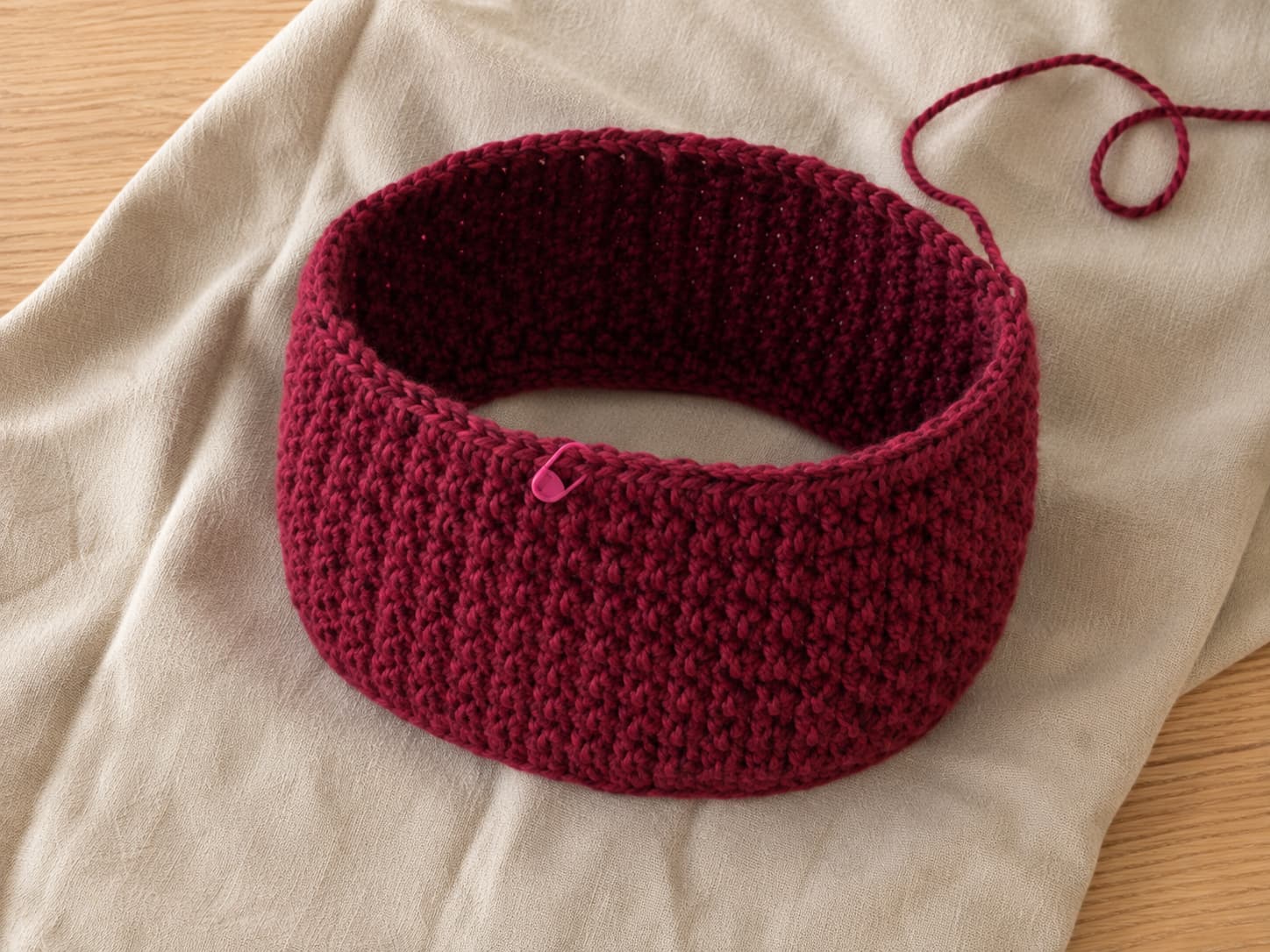
5.Finishing and Styling
Weave in the ends: Thread the starting tail onto a blunt tapestry needle and weave it through the wrong-side structure for several stitches. Change direction once before trimming. Repeat with the finishing tail. Bulky yarn creates visible lumps easily, so spread the tail through the fabric instead of packing it into one small area.
Block gently: Follow the fiber-care instructions on the yarn label. For a washable wool or acrylic blend, gentle wet blocking or a light steam can relax the hdc fabric and smooth the top and bottom edges. Do not stretch the cowl aggressively; preserve the intended circumference.
Single-loop styling: Wear the 24-inch version close to the neck with the join positioned toward the back. It works well under a coat collar because the fabric is warm without adding the bulk of a long scarf.
Double-loop styling: Place the longer cowl over the head, twist once, then bring the second loop over the head. Arrange the two layers so one sits slightly higher at the neck and the other drapes below it.
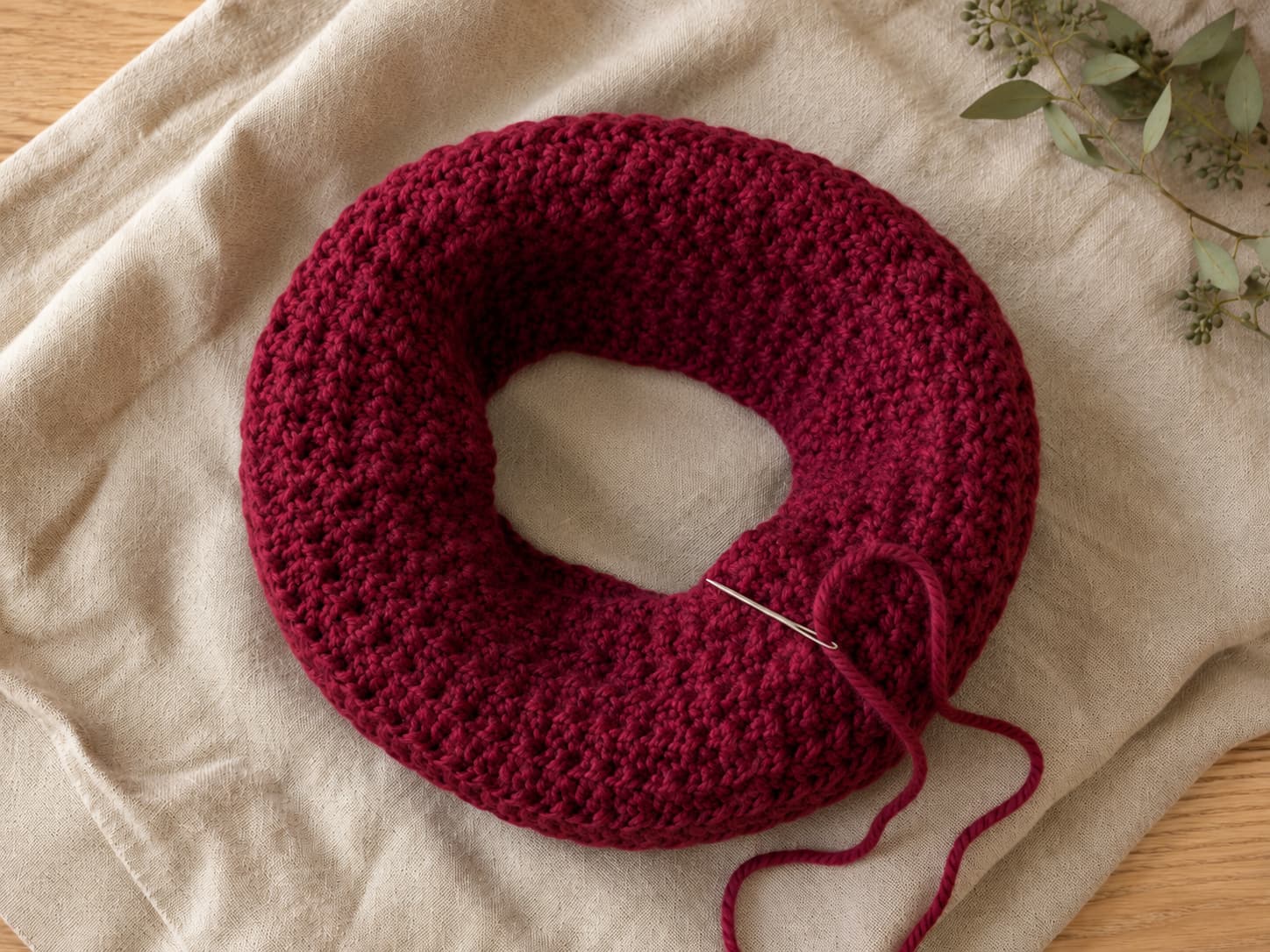
6.Troubleshooting
- The foundation chain twists before joining. Undo the join immediately, lay the chain completely flat, and run your fingers along the chain before reconnecting it.
- The bottom edge is tighter than the body. Your foundation chain is too tight. Crochet the chain with a larger hook, then return to the 6.5 mm hook for the hdc rounds.
- The cowl gets wider every round. You are probably working into the chain 1 or the joining slip stitch. Count 66 (138) actual hdc stitches before beginning the next round.
- You lose the beginning of the round. Clip the locking marker into the round-start area and move it every round rather than relying on the join line alone.
- The fabric feels stiff. Try a larger hook or a softer bulky yarn. A cowl needs enough flexibility to bend comfortably around the neck.
- The finished height is under 7 inches. Add more hdc rounds until the cowl reaches the coverage you want. At the stated gauge, each round adds a little under half an inch.
7.Practice Tips and Variations
- Count the first three rounds. If the stitch count remains 66 (138) through the early rounds, the rest of the project becomes much easier to monitor.
- Check drape before committing. Fold the gauge swatch in half. If it springs open like a board, the hook is probably too small for the yarn.
- Make the cowl taller by adding rounds. Keep the stitch count unchanged and repeat the standard hdc round until the height suits you.
- Try back-loop-only hdc for a second version. This creates stronger horizontal texture. Treat it as a variation rather than mixing it into the first sample.
- Use color as the variation, not extra decoration. A second cowl in warm oatmeal or muted olive sage looks intentional while keeping the construction exactly the same.
Keep the first cowl simple. Skip buttons, pom-poms, leather tags, and fringe until you have checked the fit and drape. The clean hdc texture is enough to make this beginner version feel polished.
8.Next Steps
- How to Crochet for Beginners — review the chain, hdc, slip stitch, and tension basics.
- How to Read Crochet Patterns — get comfortable with abbreviations and round-by-round instructions.
- Easy Crochet Market Bag — use the same in-the-round confidence with a lighter mesh fabric.
- Easy Crochet Headband — make another quick wearable while practicing clean edges and finishing.
- Yarn Weights Guide — compare bulky, super bulky, and worsted yarn before substituting.
9.Frequently Asked Questions
1. Is this crochet chunky cowl suitable for a beginner?
Yes. You need to know how to chain, make half double crochet, and slip stitch. The main new skill is joining the foundation chain without twisting it and keeping the joined-round stitch count consistent.
2. Can I use super bulky yarn instead of bulky yarn?
Yes, but do not keep the same stitch count automatically. Super bulky yarn produces a larger stitch gauge, so make a swatch, decide on the circumference you want, and recalculate the starting chain from your measured stitches per inch.
3. What if I want a looser single-loop cowl?
Add foundation chains based on your gauge until the circumference is comfortable. Keep the chain untwisted and use the same hdc round structure. A few extra inches can make the cowl sit lower without turning it into a double-loop style.
4. Why does the join line lean or look more obvious than expected?
Joined hdc rounds can show a small seam. Keep the first hdc in the correct stitch, join to the first actual hdc rather than the chain 1, and maintain even tension at the slip stitch. Position the seam at the back when wearing the cowl.
5. Can I make this cowl taller?
Yes. Repeat the standard hdc round until you reach the height you want. At the stated gauge, 18 rounds are about 8 inches high, so a few extra rounds create noticeably more neck coverage.
6. How should I wash the finished cowl?
Follow the care instructions for the exact yarn you used. When in doubt, wash gently in cool water, avoid aggressive wringing, reshape the cowl, and dry it flat so the weight of wet bulky yarn does not stretch the circumference.
7. What should I make after this cowl?
A beginner hat, market bag, or basket is a useful next project because all three build on your ability to work in the round while adding shaping or a new stitch texture.
Put Your Cowl to Work
A first chunky cowl is a small project with a useful set of lessons inside it. You learn to join a foundation chain carefully, keep the beginning of the round organized, read your hdc fabric, and finish a wearable piece without a separate seam.
Wear it a few times before making the next version. If you want more breathing room, add circumference. If you want more coverage, add height. If the fabric feels stiff, change hook size before changing the entire pattern. Those small observations are how a simple beginner pattern becomes a reliable personal formula.
Get the free Chunky Cowl Pattern PDF
A printable, ad-free copy with both sizes, the round counts, gauge notes, and a quick checklist for joining the foundation chain without a twist.
Free download. Unsubscribe anytime.