Beginner’s Guide to Yarn Weights: Categories 0–7 Explained
Understand yarn thickness, the current 0–7 system, metric tool ranges, wraps per inch, label information, gauge, substitution, project planning, and why the category number never replaces a swatch.
Written by Sophie Lane•Published •About 11 minutes to read
Yarn weight is a thickness classification. It does not tell you how many grams the ball weighs, how many meters it contains, how soft it feels, or whether it can replace another yarn. In the Craft Yarn Council system, Category 0 is Lace and Category 7 is Jumbo.
The category gives you a practical starting range for gauge and tool size. The pattern gauge, yarn construction, fiber, meterage, care, and washed fabric determine whether the yarn is suitable for a specific project.
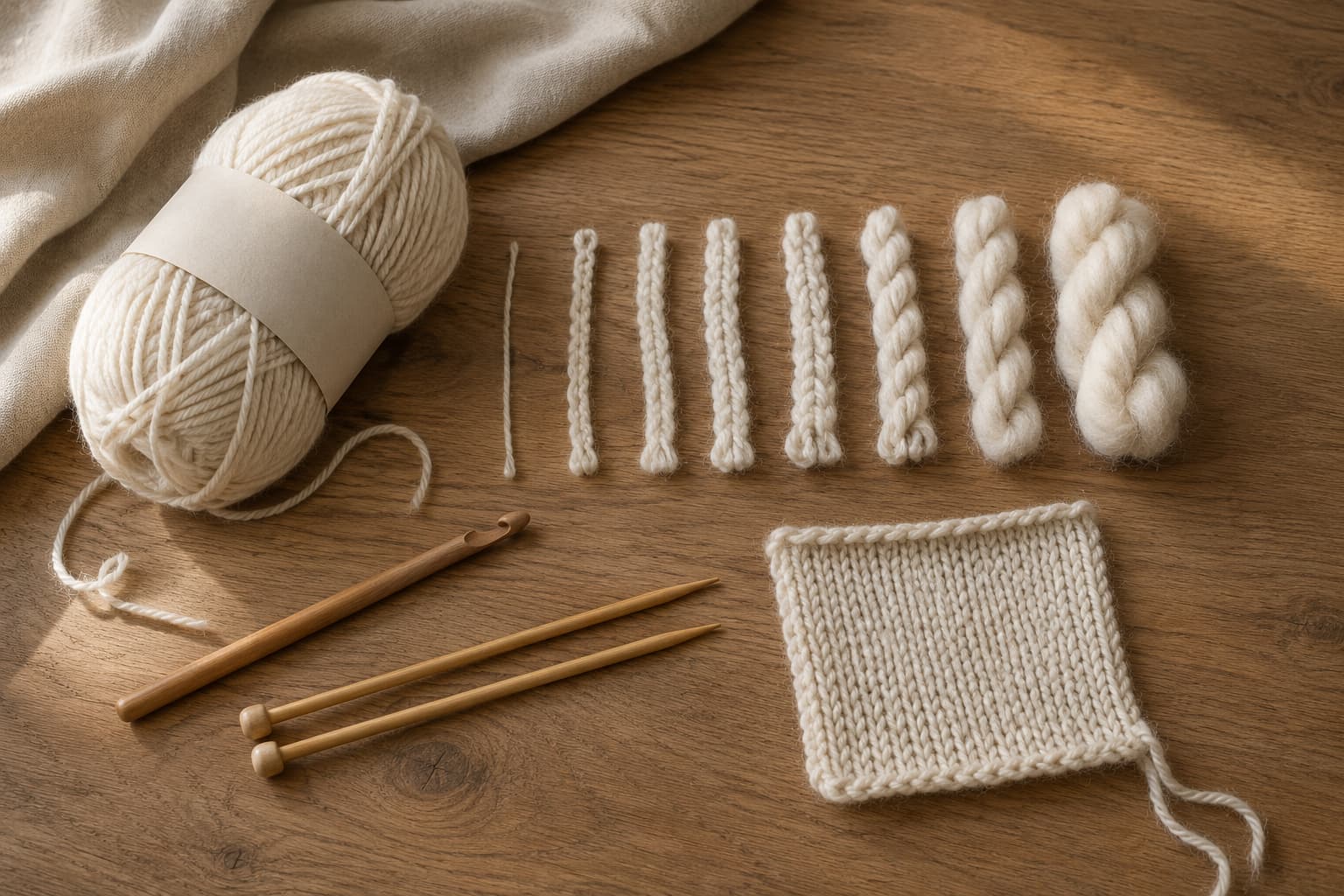
Image 01 · Yarn weights from lace to jumboSuggested file: knitsoul-yarn-weights-guide-strands-0-to-7.jpgReplace only the img src value above with the full HTTPS WordPress Media URL.
Yarn weight describes strand thickness; the numbered system runs from Category 0 to Category 7.
System0 Lace → 7 Jumbo
Eight broad thickness categories.
Not the same asBall weight
Grams and ounces describe mass, not strand category.
Best tool comparisonMetric millimeters
Letter and number sizes can vary by manufacturer.
Unlabeled yarnWPI estimate
Wrap consistently, measure several areas, then swatch.
Substitution testWashed gauge swatch
Check density, drape, growth, and appearance.
QuantityUse yards or meters
Do not substitute by skein count or grams alone.
On this page
Part 1
Separate thickness from mass, ply, fiber, and meterage
Weight category
A broad thickness range such as Category 3 Light or Category 4 Medium.
Ball or skein mass
The physical amount shown in grams or ounces. Two 100 g yarns can contain very different lengths.
Ply construction
The number and arrangement of strands twisted together. Ply count is not a universal thickness measure.
Fiber and structure
Wool, cotton, acrylic, chainette, blown, single-ply, and tightly plied yarns behave differently even at similar thickness.
Part 2
The eight categories provide a shared starting language
0
Lace
Very fine yarn and crochet thread. Often used with larger tools than the strand suggests for open lace.
1
Super Fine
Common examples include sock, fingering, and baby yarns.
2
Fine
Often includes sport and baby yarns for lighter fabric.
3
Light
Commonly includes DK and light worsted descriptions.
4
Medium
Often labeled worsted, Afghan, or Aran; a broad and varied category.
5
Bulky
Often labeled chunky, craft, or rug yarn.
6
Super Bulky
Includes many super bulky and some roving-style yarns.
7
Jumbo
The thickest category, including yarns for very large tools or hand construction.
Reference chart
Current CYC ranges for gauge, tools, and WPI
Cat.
Standard name
Knit gauge / 4 in
Needle mm
Hook mm
WPI
0
Lace
33–40+ sts*
1.5–2.25
Steel 1.4–1.6; regular 2.25*
30–40+
1
Super Fine
27–32 sts
2.25–3.25
2.25–3.5
14–30
2
Fine
23–26 sts
3.25–3.75
3.5–4.5
12–18
3
Light
21–24 sts
3.75–4.5
4.5–5.5
11–15
4
Medium
16–20 sts
4.5–5.5
5.5–6.5
9–12
5
Bulky
12–15 sts
5.5–8
6.5–9
6–9
6
Super Bulky
7–11 sts
8–12.75
9–15
5–6
7
Jumbo
6 sts or fewer
12.75+
15+
1–4
*The CYC describes these as guidelines. Lace is commonly worked on larger tools for open fabric, so the pattern gauge takes priority. Steel crochet hooks use a separate sizing system.
Part 3
Read the complete yarn label—not only the number
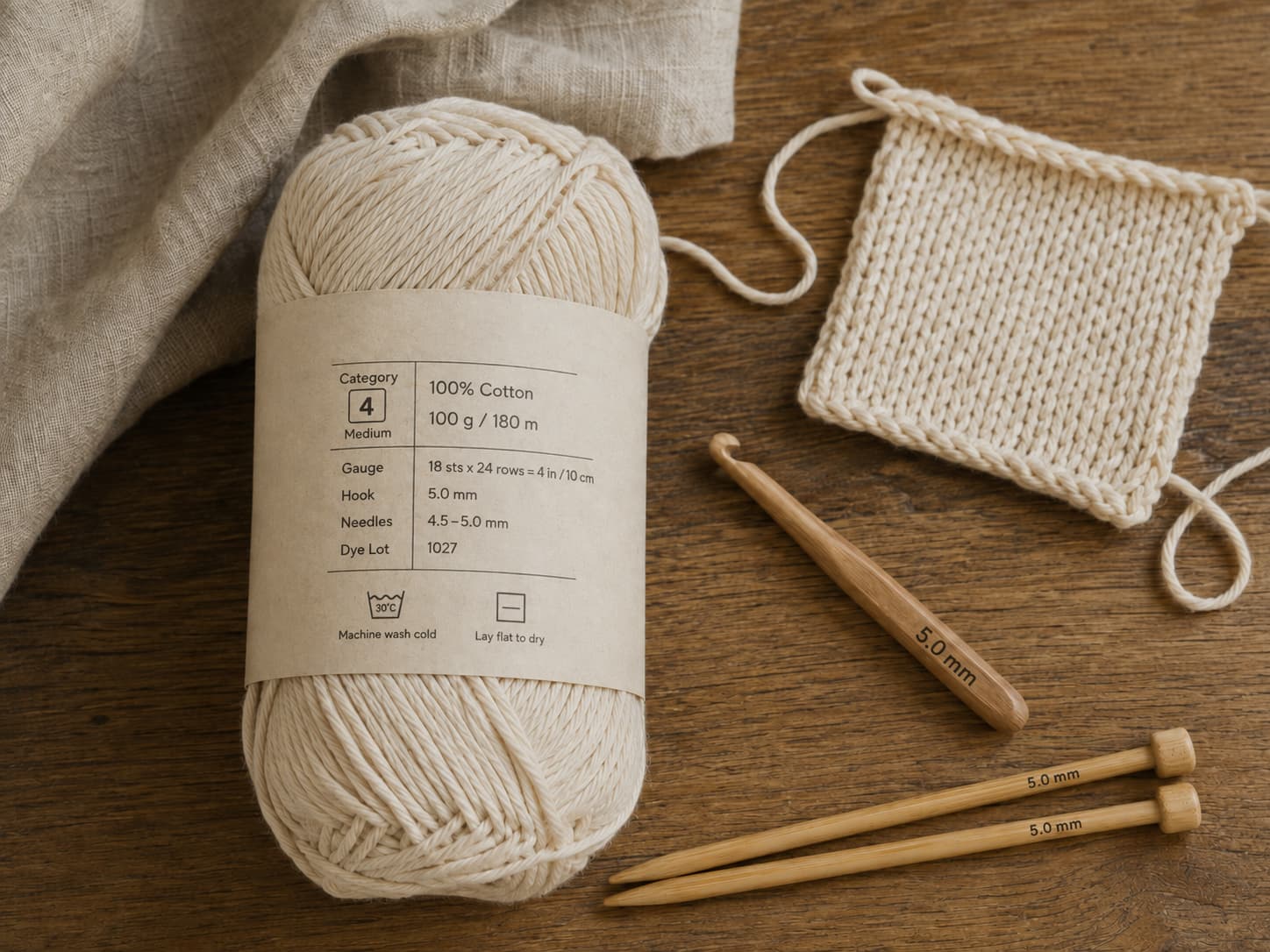
Image 02 · Yarn label anatomySuggested file: knitsoul-yarn-label-weight-gauge-meterage-care.jpgReplace only the img src value above with the full HTTPS WordPress Media URL.
Read the whole label: weight category is only one part of choosing a suitable yarn.
Weight symbolCategory 0–7 thickness range.
Fiber contentAffects warmth, elasticity, drape, absorption, care, and feel.
Ball massGrams or ounces in one package.
LengthYards or meters used to calculate quantity.
Suggested gaugeA starting fabric estimate using stated tools.
Hook and needle sizesStarting ranges, not mandatory project rules.
Color and dye lotUseful for matching multiple balls.
Care instructionsWashing, drying, heat, and cleaning limitations.
Unlabeled yarn
Use WPI as an estimate, not a promise
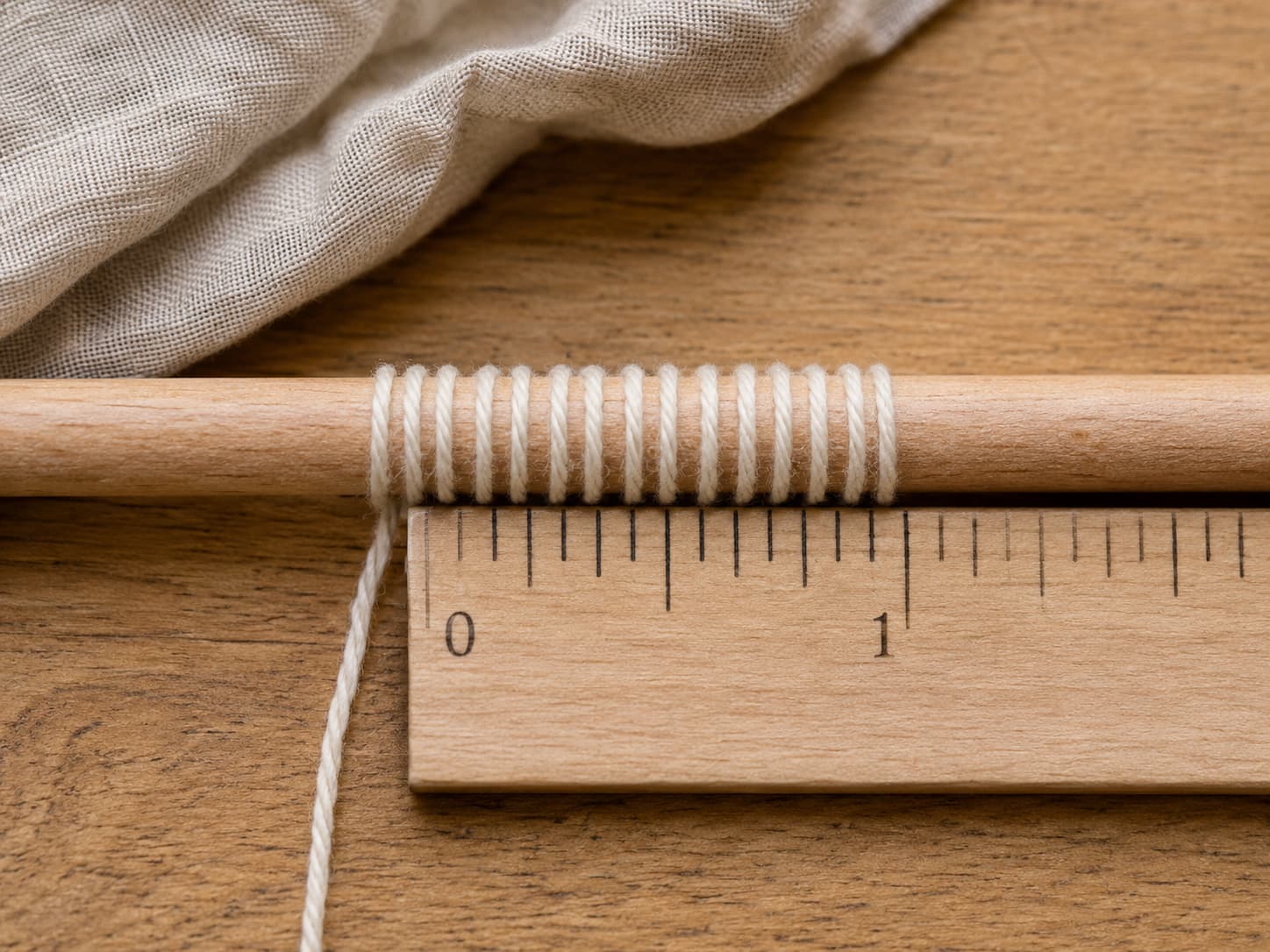
Image 03 · Wraps per inch testSuggested file: knitsoul-wraps-per-inch-yarn-ruler-test.jpgReplace only the img src value above with the full HTTPS WordPress Media URL.
WPI can estimate an unlabeled yarn’s category, but wrapping tension makes it approximate.
Wrap yarn around a consistent tool for several inches.
Place wraps side by side without gaps or overlap.
Keep the yarn snug but do not stretch or compress it.
Count wraps within one inch in several areas.
Average the readings and compare them with the WPI column.
Make a swatch before assigning the yarn to a project.
Fabric test
The swatch decides whether the yarn works in the project
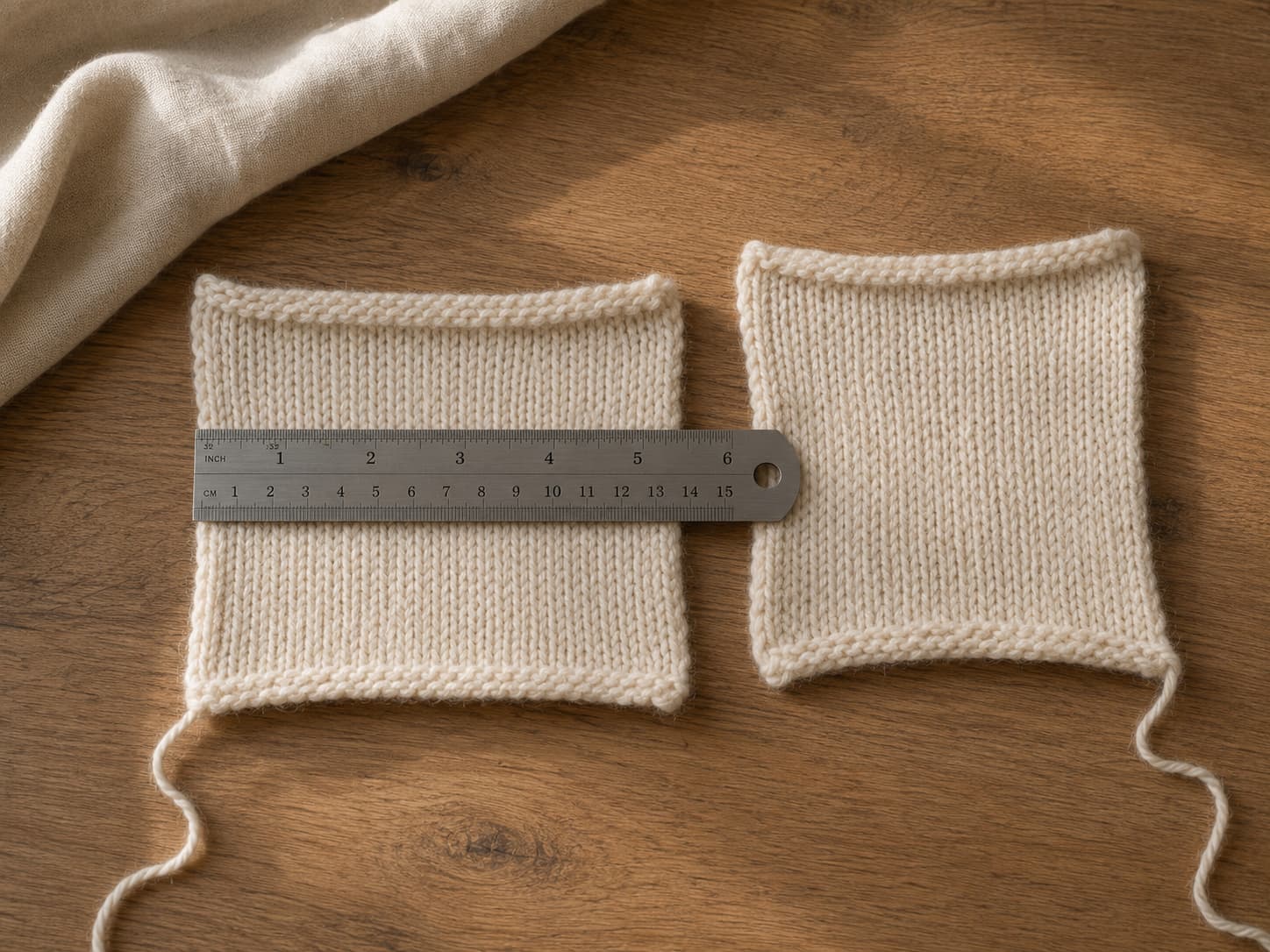
Image 04 · Washed gauge swatchesSuggested file: knitsoul-yarn-weight-gauge-swatches-before-after-washing.jpgReplace only the img src value above with the full HTTPS WordPress Media URL.
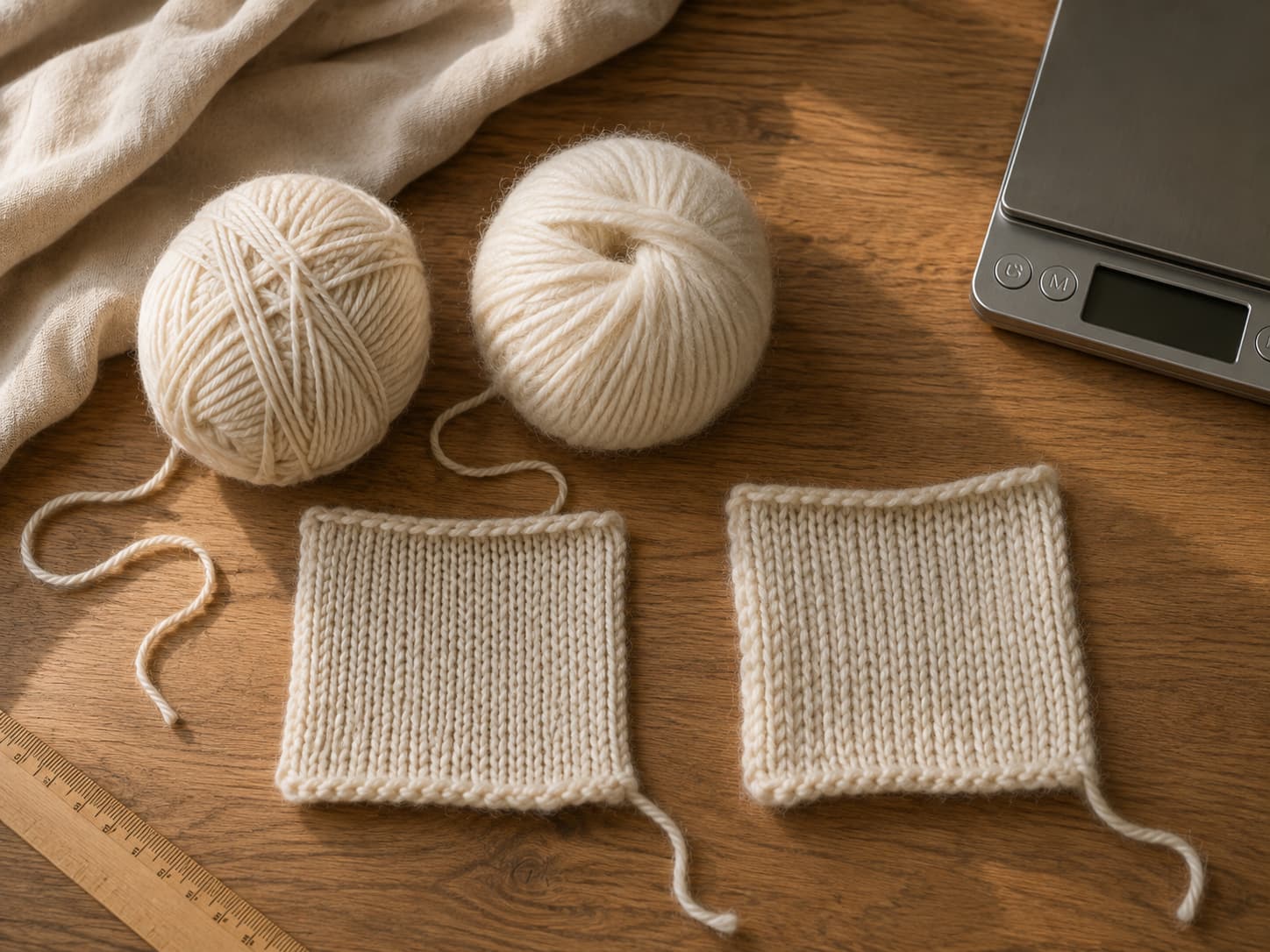
A washed swatch checks gauge, drape, growth, and fabric feel before substitution.
A successful swatch matches the required stitch gauge and creates appropriate fabric. Row gauge, drape, elasticity, thickness, stitch definition, color behavior, and washing response can matter as much as the stitch count.
1
Use the pattern stitch and a tool near the recommended metric size.
2
Make the swatch larger than the measurement area.
3
Wash and dry it as the finished project will be treated.
4
Measure stitch and row gauge, then handle the fabric for drape and resilience.
Substitution
Match the project requirements—not the category name alone
Image 05 · Yarn substitution comparisonSuggested file: knitsoul-yarn-substitution-original-and-alternative-swatches.jpgReplace only the img src value above with the full HTTPS WordPress Media URL.
A substitution succeeds when the measured fabric and project requirements match—not merely the category number.
Check
Original yarn
Candidate substitute
Weight range and gauge
Pattern requirement and sample gauge
Can it match gauge without unsuitable fabric?
Fiber and elasticity
Memory, warmth, absorption, growth
Will the finished object behave similarly?
Construction
Plied, single, chainette, blown, textured
Does stitch definition and durability suit the design?
Length
Total required yards or meters
Enough total length in the selected size?
Care
Required washing and drying method
Compatible with the user and project?
Color system
Solid, heathered, gradient, hand dyed
Will pooling or contrast change the design?
Multiple strands
Holding yarns together creates a new fabric to test
Image 06 · Two strands held togetherSuggested file: knitsoul-two-yarn-strands-held-together-swatch.jpgReplace only the img src value above with the full HTTPS WordPress Media URL.
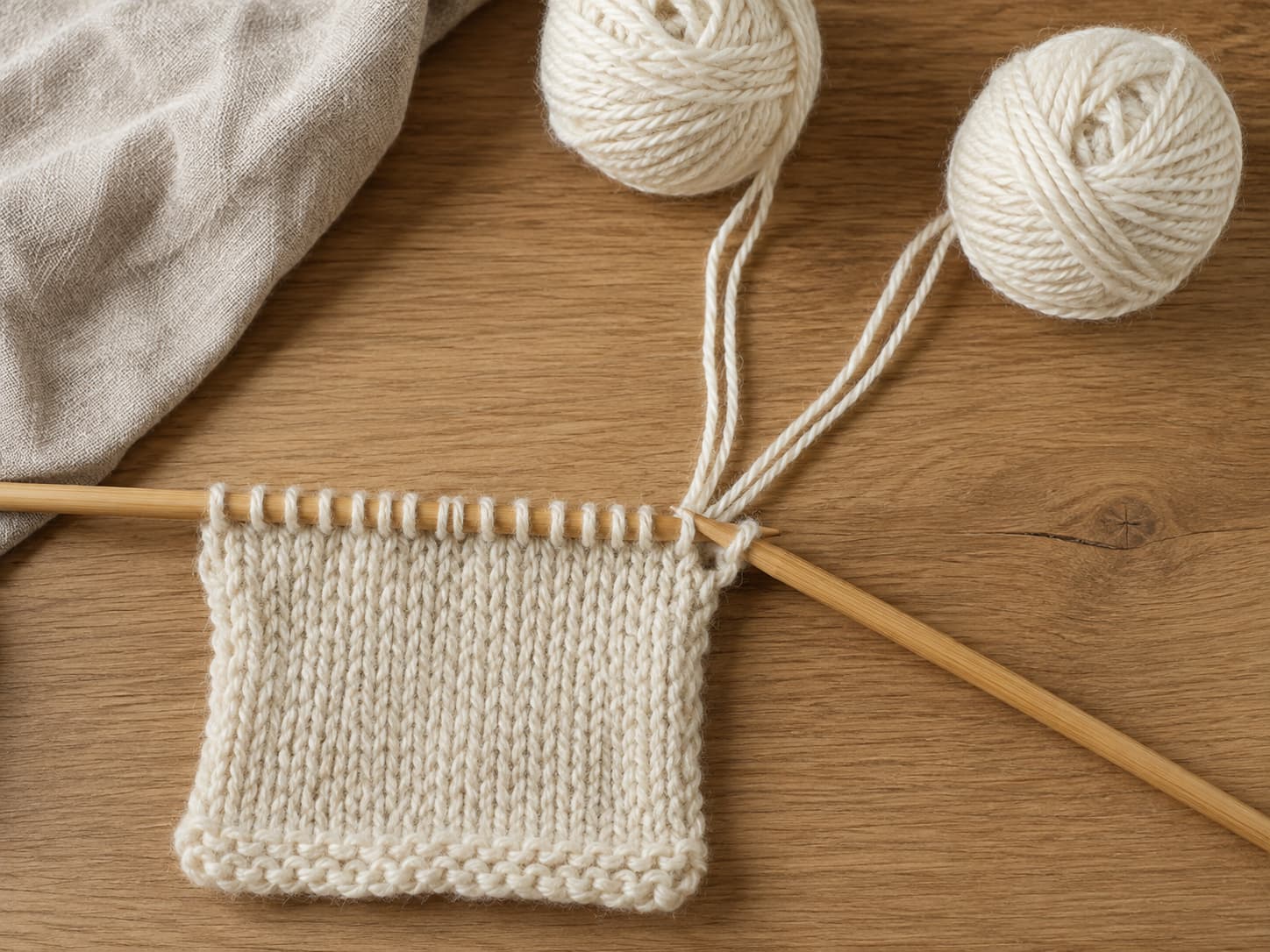
Holding strands together creates a new yarn system that must be swatched and measured.
Two strands held together do not convert through one universal formula. Their combined thickness depends on the two yarns, their construction, tension, and the chosen stitch. Treat the pair as a new yarn: make a WPI estimate, test several tool sizes, wash the swatch, and calculate quantity from the total length consumed in both strands.
Project planning
Choose a weight range that supports the intended fabric
Project goal
Common starting ranges
What to test
Fine lace and open shawls
0–2
Open gauge, blocking, strength, and snag resistance.
Socks and fine accessories
1–2
Durability, elasticity, gauge, and abrasion.
Light garments and baby clothing
2–3
Drape, care, softness, growth, and seams.
Beginner scarves, hats, blankets
3–5
Stitch visibility, weight, warmth, and handling.
Dishcloths and market bags
3–4
Fiber, absorption, strength, and washed size.
Amigurumi
2–4 are common
Dense fabric with the chosen hook and stuffing.
Fast bulky accessories and homeware
5–7
Finished weight, hand comfort, care, and long-term wear.
These are starting ranges, not rules. A tested pattern can use an unexpected weight successfully because the designer controls gauge, construction, and finishing.
Buying enough yarn
Calculate with yards or meters
Formula: total pattern length ÷ length per ball = balls required. Round up to a whole ball.
Example: A pattern requires 920 m. The substitute contains 210 m per ball. 920 ÷ 210 = 4.38, so the mathematical minimum is 5 balls. Add contingency when swatching, modifications, matching repeats, or uncertain substitution may increase use.
Do not compare by grams alone. Fiber density and yarn structure change how much length fits into the same mass.
Troubleshooting
Six yarn-weight mistakes that a label number cannot prevent
Confusing grams with thickness
Mass tells you the amount in the package, not the strand category.
Treating one category as interchangeable
Swatch for gauge, fabric behavior, and care before substituting.
Using ply count as a universal weight
Ply terminology varies by region and construction.
Comparing U.S. tool letters only
Use metric millimeters to compare actual diameter.
Buying by skein count
Compare total yards or meters because package lengths vary.
Skipping the washed swatch
Some yarns bloom, relax, shrink, grow, or lose definition after washing.
Continue learning
Connect the weight number to tools, fiber, and a real project
Yarn weight means the thickness category of the strand, not the total mass of the ball or skein. The Craft Yarn Council system uses categories 0 through 7, from Lace to Jumbo. Two 100-gram skeins can contain very different lengths because their strand thickness, fiber density, and construction differ.
2. Are two yarns in the same weight category interchangeable?
Not automatically. The category is a starting range, not an interchangeability guarantee. Compare the pattern gauge, fiber, construction, meterage, care, drape, and washed swatch. Even two Category 4 yarns can produce different fabric at the same needle or hook size.
3. What is the most beginner-friendly yarn weight?
A smooth light-colored Category 4 Medium yarn is a practical starting point because the stitches are visible and the common tool sizes are comfortable for many learners. Category 3 Light can also work well. Fiber, texture, color, twist, and project choice matter as much as the number.
4. How do I identify yarn without a label?
Measure wraps per inch in several places without stretching the yarn, compare the average with a WPI reference, and then make a gauge swatch. WPI is affected by how tightly the yarn is wrapped, so it estimates a category rather than proving interchangeability.
5. Can I replace DK with worsted or hold two strands together?
You can test a substitution, but do not assume it will work. Make a washed swatch and compare stitch gauge, row gauge, fabric feel, thickness, and meterage. Holding two strands together creates a new fabric whose result depends on both yarns; there is no universal equation that guarantees an exact category.
6. Should I follow the yarn label’s hook or needle size?
Use it as a starting range. The pattern gauge and desired fabric are more important. A dense toy may need a smaller hook than the label suggests, while lace may use a much larger tool. Metric millimeters are the most reliable way to compare tool diameters.
7. How do I calculate how many skeins to buy?
Use length, not the number of skeins or grams alone. Divide the pattern’s total required yards or meters by the length in one ball, round up, and add an appropriate contingency when the pattern, size, swatch, or substitution makes usage uncertain. Buy matching dye lots when the yarn uses dye-lot numbers.
Read the label, then swatch
Use the category as a starting point—not the final answer
The weight symbol narrows the search. The pattern gauge, metric tool size, fiber, construction, meterage, and care instructions determine whether the yarn belongs in the project.
When the label is missing, estimate with WPI. When substituting, compare washed swatches. When buying, calculate with yards or meters. These three habits prevent most yarn-weight mistakes.