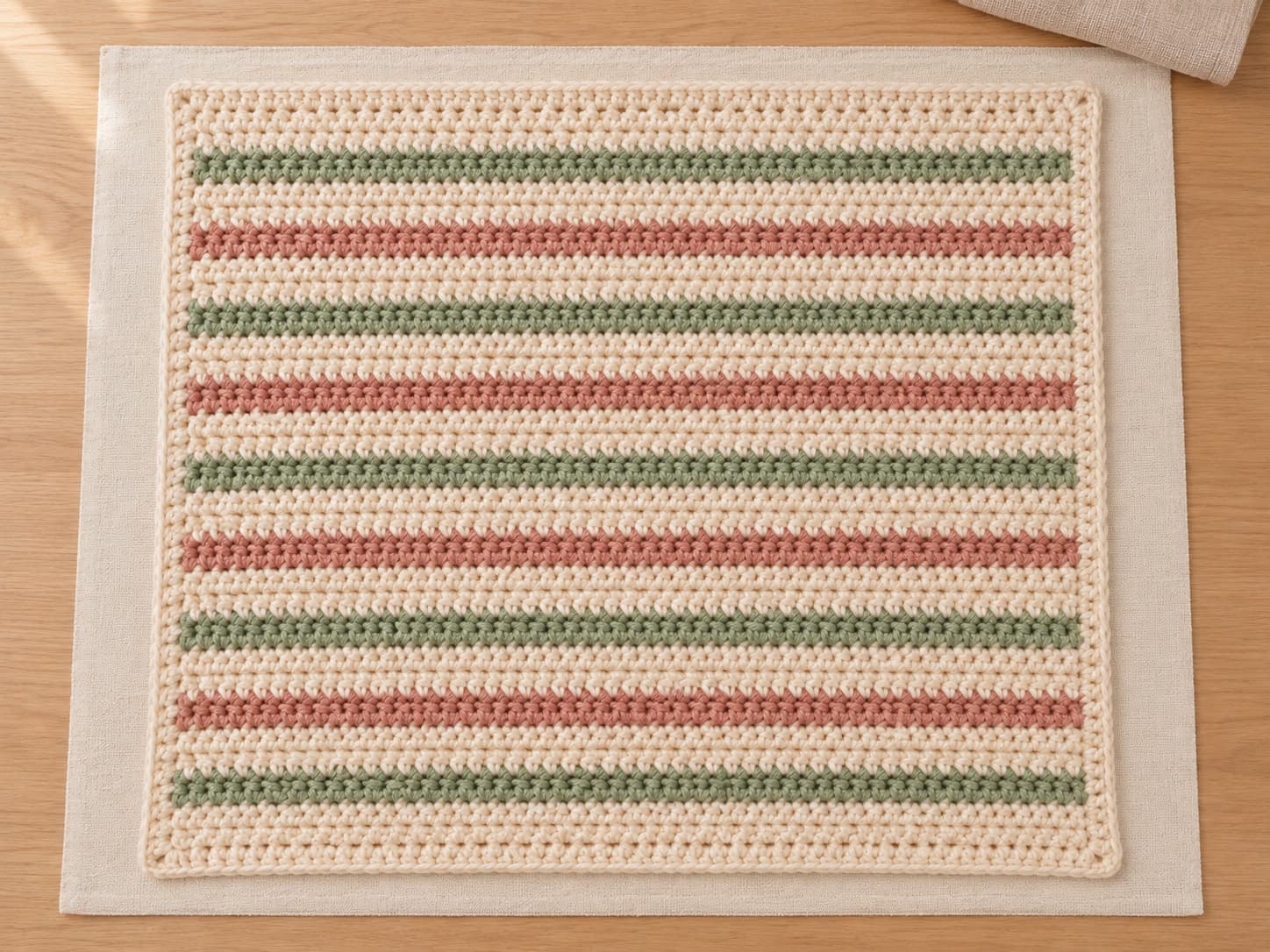
Crochet a soft striped baby blanket with one comfortable stitch, three modern colors, and a tidy single-crochet border. Clear counts and practical checkpoints help a beginner keep every edge straight.
Written by Sophie Lane•Published •About 16 minutes to read
Confident beginnerU.S. crochet termsWorked flatPlanning size: 30 × 36 in
A simple striped blanket you can follow with confidence
This easy crochet baby blanket pattern uses half-double crochet for the body and single crochet for the border. Eight-row color blocks create a steady rhythm. Meanwhile, two marked edge stitches help you keep the same count from start to finish.
The Meadow Stripe palette pairs Warm Ivory with Muted Sage and Clay Rose. As a result, the blanket feels soft, earthy, and at home in many modern nurseries. Before you begin, make and wash a gauge swatch because yarn and personal tension can change the size.
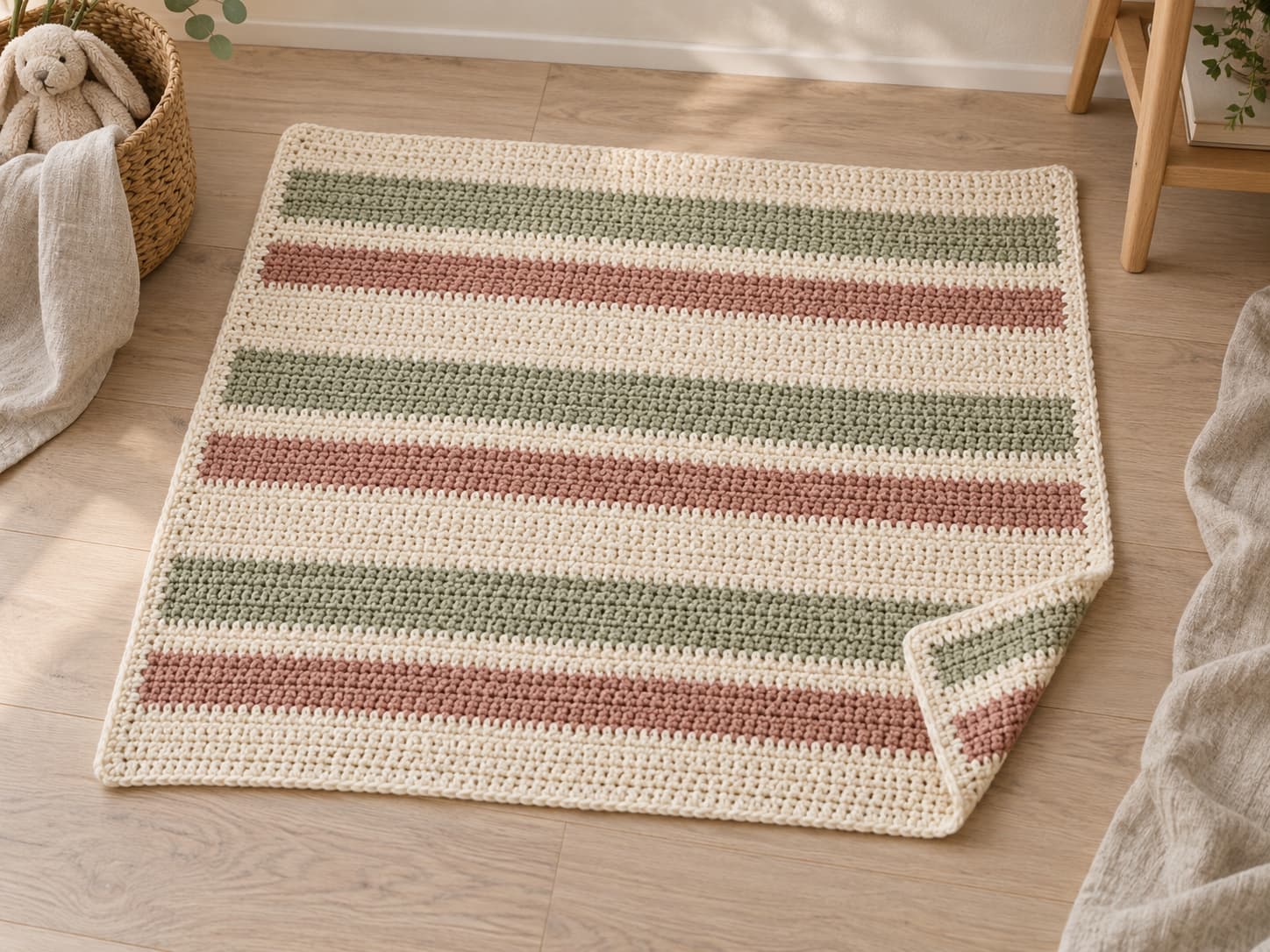
Image 01 · Finished blanketReplace the img src URL above.
The planned blanket combines broad, calm stripes with a clean Warm Ivory border.
Skill levelConfident beginner
Chain, hdc, sc, and slip stitch.
Target gauge12 hdc × 9 rows
Per 4 in / 10 cm after washing.
Planning size30 × 36 in
About 76 × 91 cm.
HookUS I/9 · 5.5 mm
Adjust after checking gauge.
YarnSmooth worsted weight
Machine-washable CYC #4.
Time estimateAbout 15–20 hours
A planning estimate, not a tested promise.
On this page
Prepare well
Gather simple materials that feel good in your hands
A smooth, light-colored yarn makes each stitch easier to see. In addition, a comfortable hook reduces hand fatigue during long rows. Therefore, gather every color before starting so you can compare dye lots and care instructions.
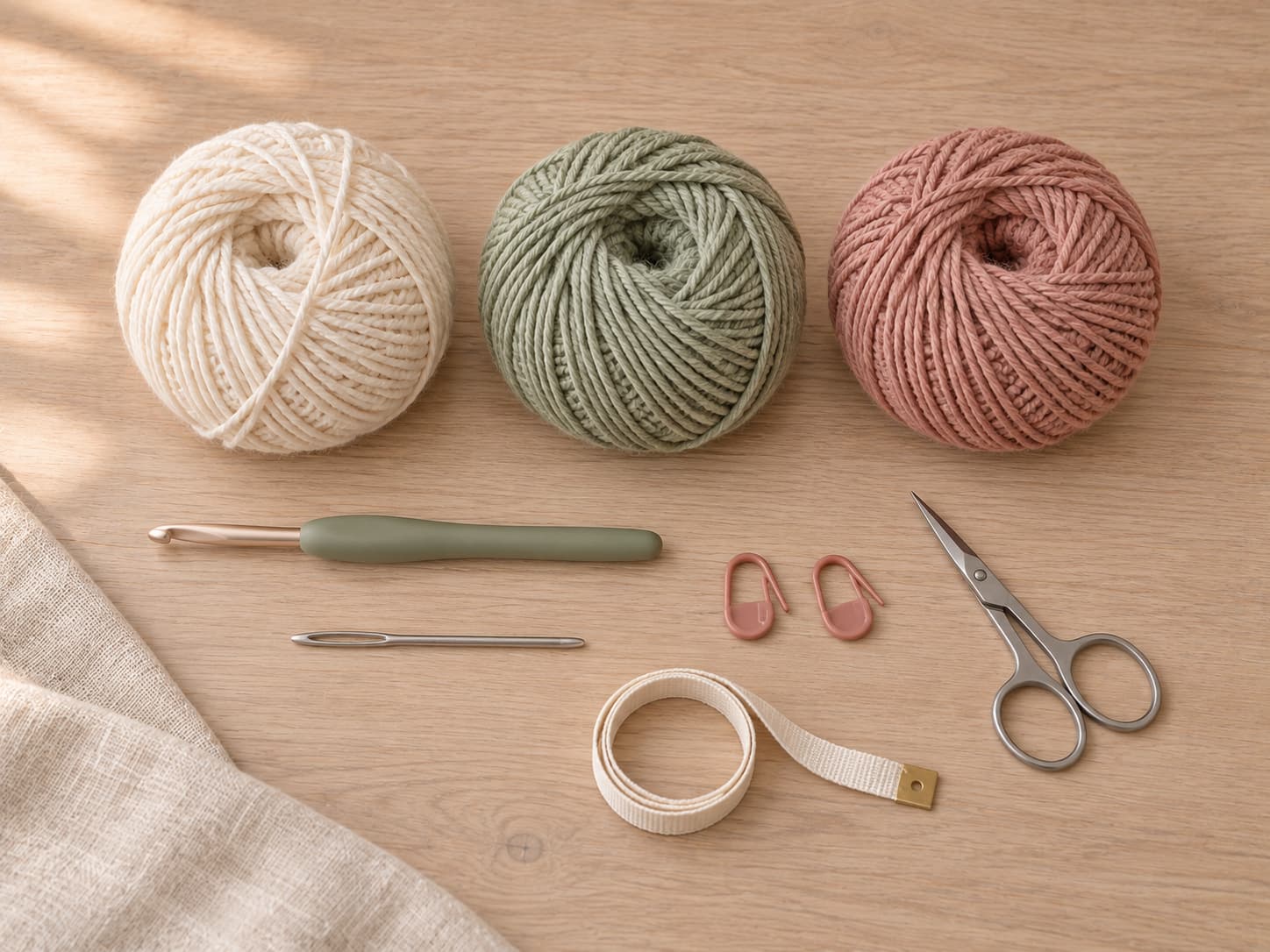
Image 02 · MaterialsReplace the img src URL above.
Set out the yarn, hook, markers, needle, scissors, and tape measure before swatching.
Material
Planning specification
Purpose
Yarn
About 1,100–1,300 yd of smooth, washable CYC #4 yarn
Provides clear stitches and practical care.
Hook
US I/9 (5.5 mm); optional 6 mm for a tight foundation
Supports the target gauge and a flexible first edge.
Needle
Blunt tapestry needle with a large eye
Secures tails without hard knots.
Markers
Two locking stitch markers
Protect the first and last stitches.
Other tools
Scissors, tape measure, and clean blocking mats or towels
Support accurate checking and finishing.
Color story
Choose an organic nursery palette with gentle contrast
The three-color plan uses warm neutrals and restrained earthy accents. Therefore, it suits Scandinavian, cottage, organic-modern, and gender-neutral spaces. More importantly, the palette stays aligned with KnitSoul’s calm, tactile visual style.
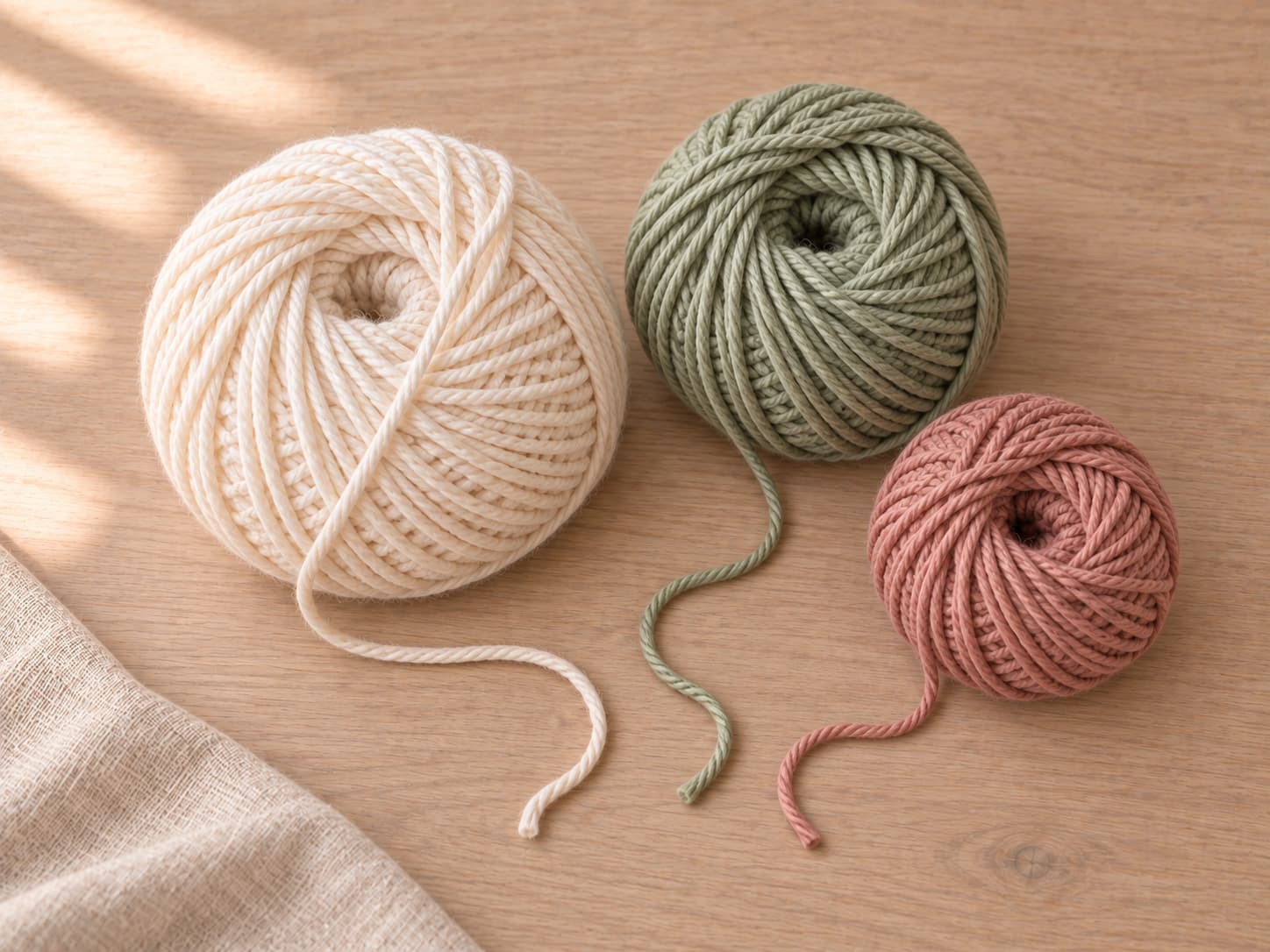
Color A · Warm IvoryDominant · plan about 55%
Color B · Muted SageSecondary · plan about 27%
Color C · Clay RoseAccent · plan about 18%
Image 03 · Yarn paletteReplace the img src URL above.
Photograph every yarn color in the same soft natural light used for the finished blanket.
Plan yardage by color
As an initial budget, allow roughly 600–700 yards of Warm Ivory, 300–375 yards of Muted Sage, and 220–275 yards of Clay Rose. These are planning estimates. However, fiber, gauge, border tension, and final size all affect actual use.
Therefore, buy by total yardage instead of skein count because ball sizes vary. Whenever possible, choose one dye lot per color. Then keep every label until the blanket is finished and washed.
Fit the plan
Check gauge first so the blanket stays predictable
The working target is 12 half-double crochet stitches and 9 rows per 4 inches after washing. Therefore, at that gauge, 90 stitches measure about 30 inches. Similarly, 80 rows measure close to 36 inches before the border changes the final dimensions slightly.
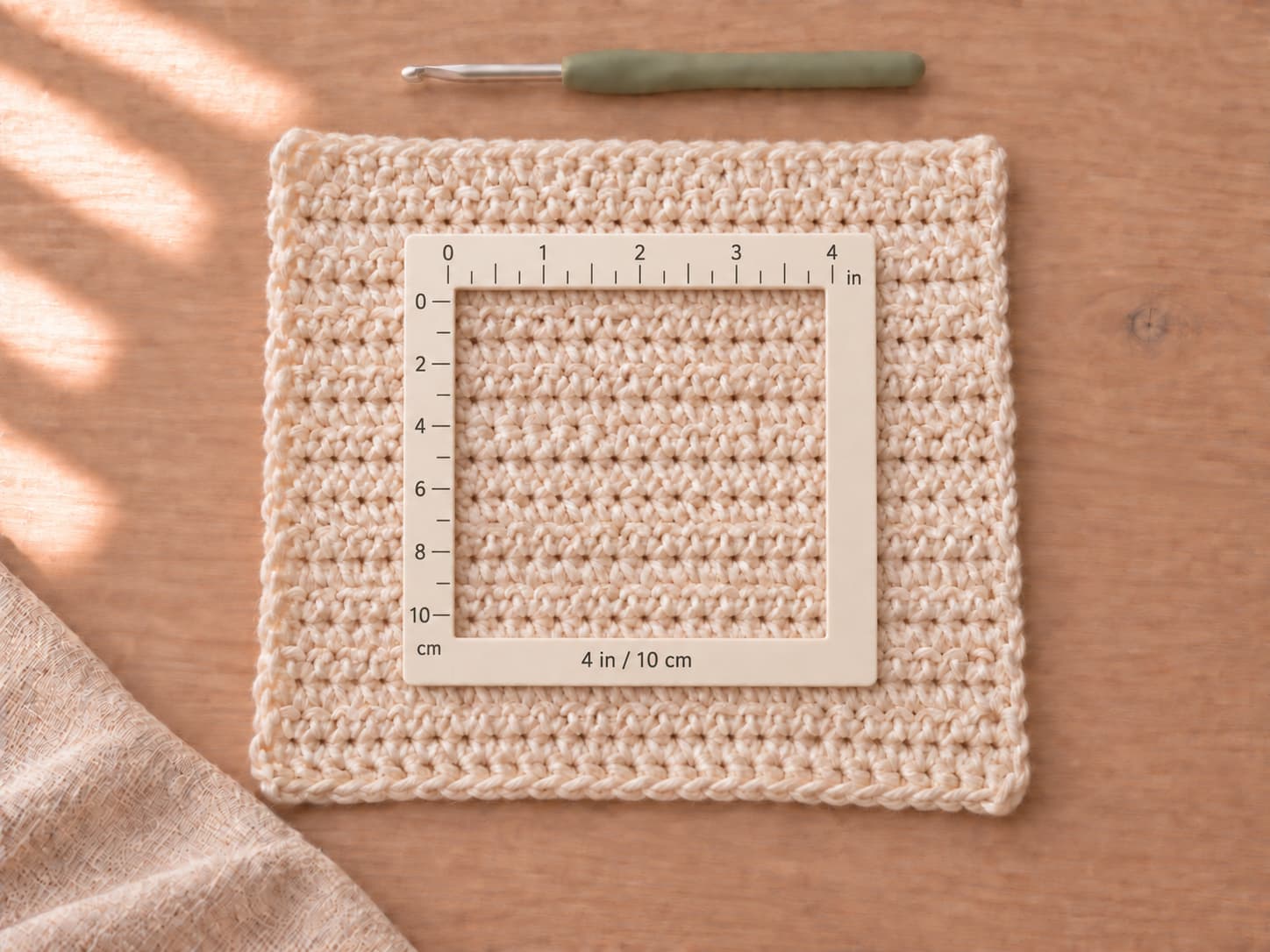
Image 04 · Gauge swatchReplace the img src URL above.
Measure the center of a washed swatch without stretching the fabric.
Make and wash a useful swatch
With the 5.5 mm hook, crochet a half-double crochet swatch at least 6 inches square. Next, wash and dry it according to the yarn label. Lay it flat, then measure across the center rather than along the edges.
If you count more than 12 stitches, try a larger hook. In contrast, use a smaller hook if you count fewer stitches. Meanwhile, row gauge can be adjusted with extra or fewer rows, while stitch gauge controls the width.
Use the size table as a planning guide
Version
Target width
Starting chain
Approximate body rows
Stroller
24 in / 61 cm
73
66–68
Meadow Stripe
30 in / 76 cm
91
80
Receiving
36 in / 91 cm
109
96–98
Small throw
40 in / 102 cm
121
108–110
Core skills
Practice three techniques before the long rows begin
This beginner crochet baby blanket pattern uses chain, half-double crochet, single crochet, and slip stitch. First, read the complete row rule. Then make a small practice piece until the turning chain and last stitch feel clear.
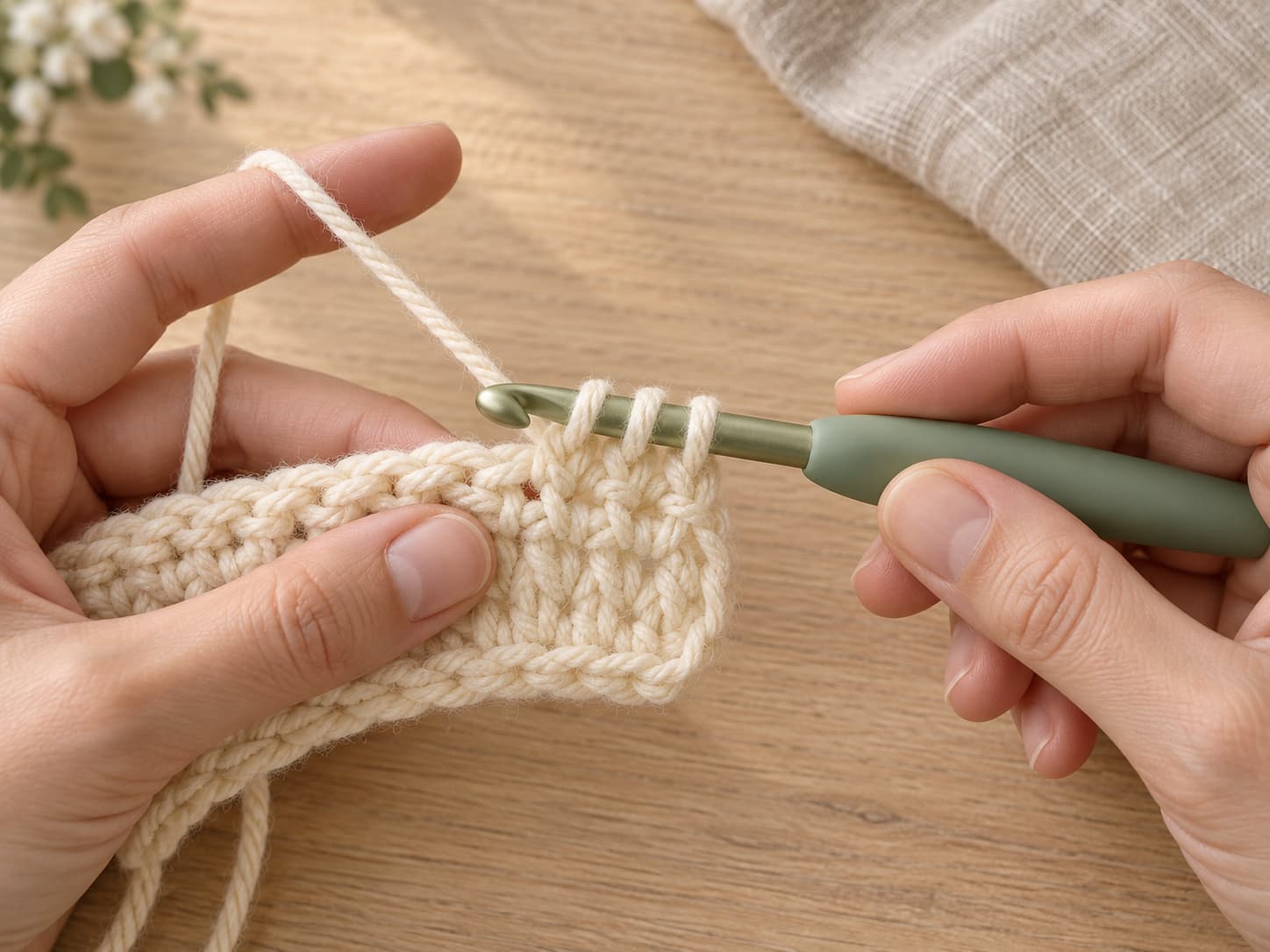
Make half-double crochet
Yarn over, insert the hook into the indicated stitch, and yarn over again. Pull up a loop so three loops sit on the hook. Finally, yarn over and pull through all three loops. Keep the motion relaxed so the fabric drapes instead of feeling stiff.
Image 05 · Hdc close-upReplace the img src URL above.
Show the three loops on the hook clearly and keep the yarn, hook, and lighting consistent.
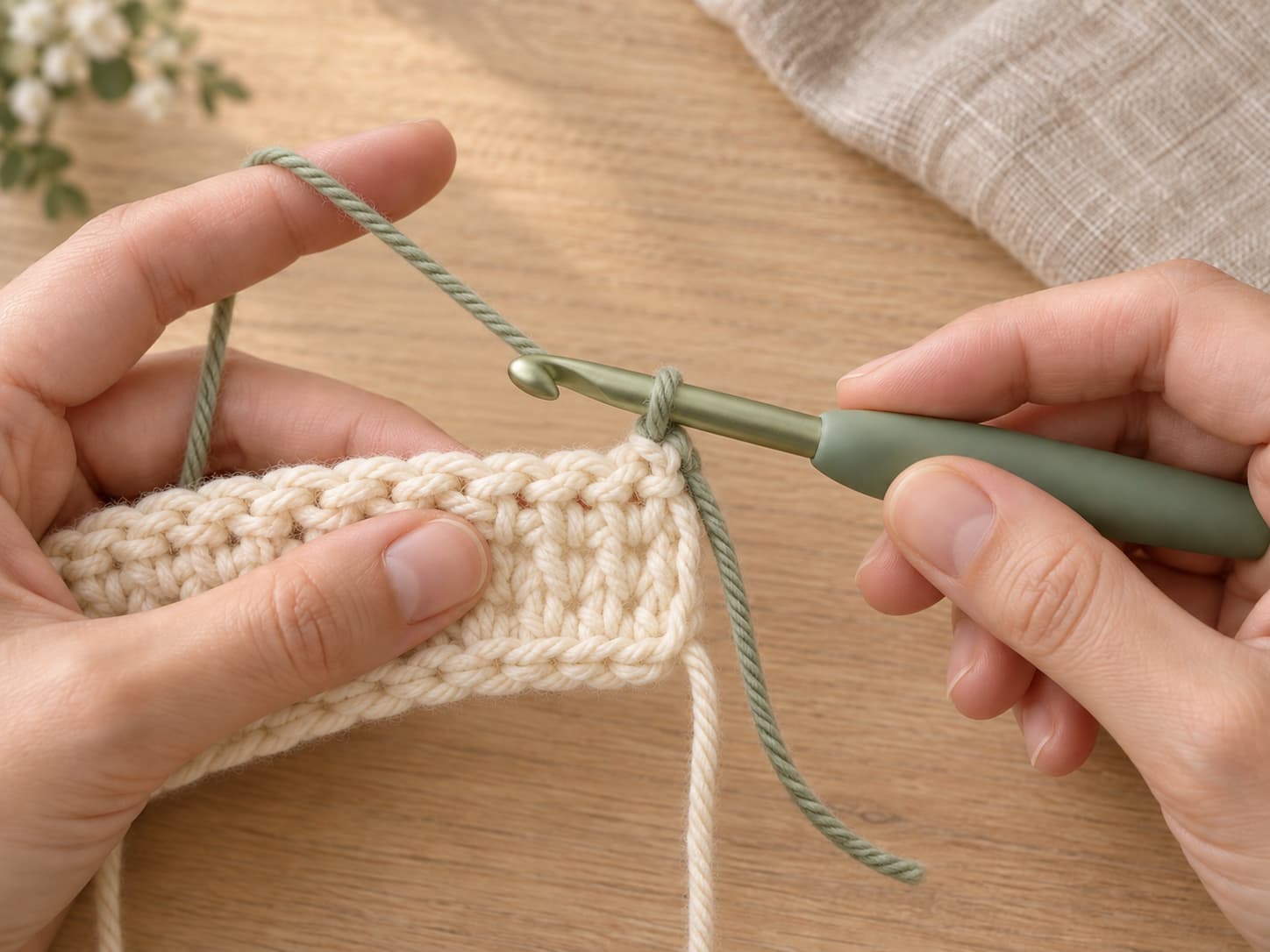
Change color without a bulky knot
Begin the final half-double crochet in the old color, but stop before the last yarn-over. Place the new color over the hook and pull it through all three loops. Next, chain two with the new color and turn.
Leave at least a 6-inch tail from both colors. Later, weave each tail in two directions through matching stitches. As a result, the join stays flatter and more secure than a hard knot.
Image 06 · Color changeReplace the img src URL above.
Complete the last pull-through with the new color to place the transition at the edge.
Protect the first and last stitch
Here, chain two counts as the first half-double crochet. Therefore, skip the first stitch at its base. At the opposite edge, place the final half-double crochet into the top of the previous turning chain.
Next, put one locking marker in each edge stitch, then move both markers after every row. As a result, this simple routine prevents most accidental increases and decreases.
Read before starting
Keep the row rules beside your project
The pattern uses U.S. crochet terminology.
Chain two counts as the first half-double crochet in every body row.
Turn after each body row and keep 90 stitches, including the turning chain.
Change color during the last pull-through of the final stitch in a stripe.
Cut each old color because every stripe is eight rows tall; do not carry long floats.
Weave tails securely in two directions and inspect the fabric before gifting.
Know the abbreviations
ch means chain; hdc means half-double crochet; sc means single crochet; sl st means slip stitch; st(s) means stitch(es); and rnd means round. If written patterns still feel unfamiliar, review how to read crochet patterns first.
Confirm row rules and sizing
Therefore, use one turning-chain method throughout the project because switching methods changes the edge. Also, count at each color change instead of waiting until the end. Finally, compare the blanket with your target measurements while it is lying flat and relaxed.
Free pattern
Crochet the Meadow Stripe body in ten calm blocks
Meadow Stripe baby blanket
Planning size: 30 × 36 in · Target gauge: 12 hdc × 9 rows = 4 in · Body count: 90 stitches
Foundation: With Color A and a 5.5 mm hook, chain 91 loosely. If needed, use a 6 mm hook for this chain only.
Row 1: Hdc in the third chain from the hook. The two skipped chains count as the first hdc. Hdc in each remaining chain, then turn. Count 90 hdc.
Rows 2–8: Ch 2, skip the first stitch, and hdc across. Work the last hdc into the top of the turning chain. Turn with 90 stitches.
Rows 9–16: Change to Color B during the final pull-through of Row 8. Work eight rows in the established pattern.
Rows 17–24: Change to Color A and work eight rows.
Rows 25–32: Change to Color C and work eight rows.
Rows 33–40: Change to Color A and work eight rows.
Rows 41–48: Change to Color B and work eight rows.
Rows 49–56: Change to Color A and work eight rows.
Rows 57–64: Change to Color C and work eight rows.
Rows 65–72: Change to Color A and work eight rows.
Rows 73–80: Change to Color B and work the final eight rows. Check the count and length before fastening off.
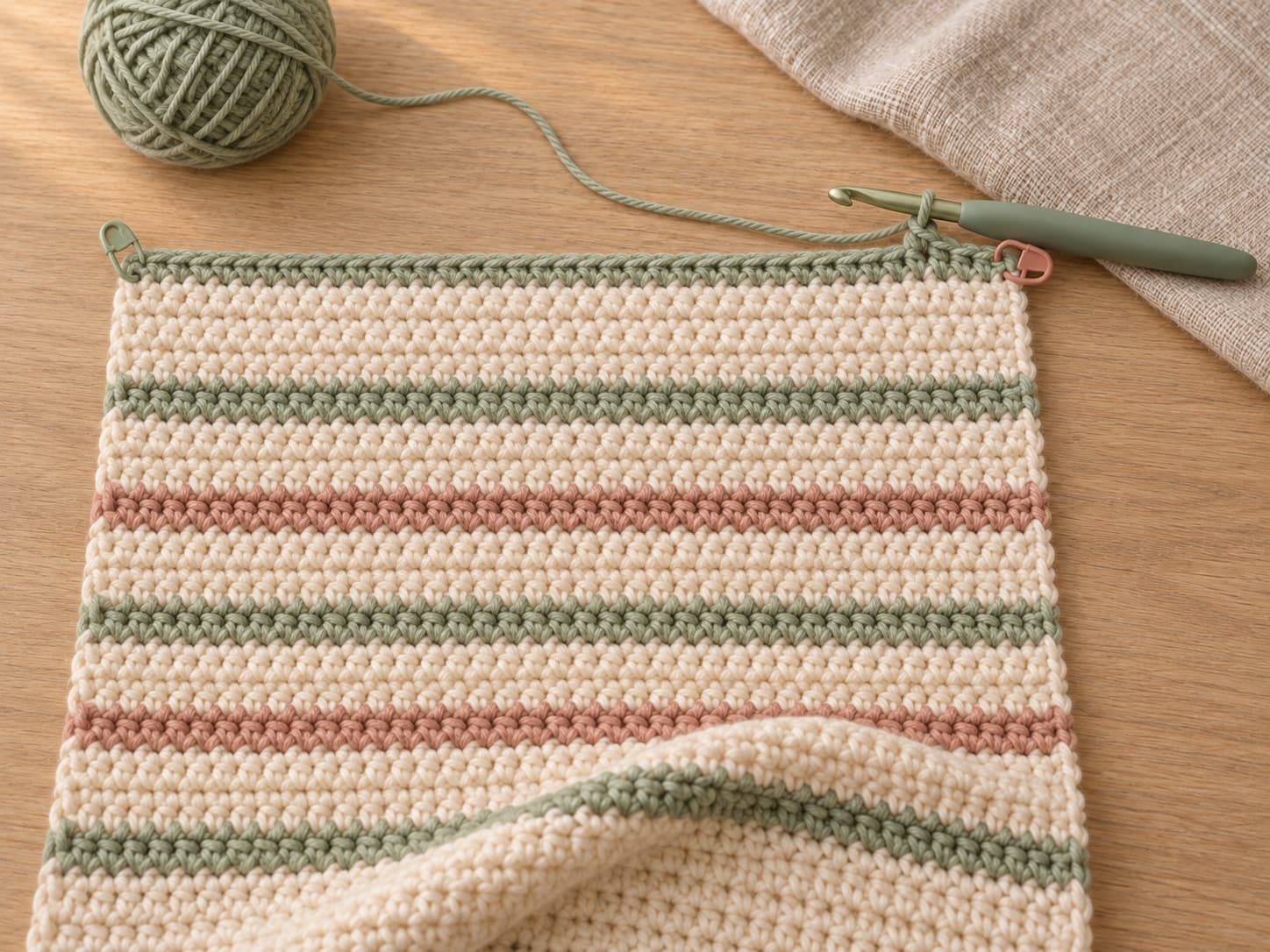
Image 07 · Blanket in progressReplace the img src URL above.
Check for 90 stitches and parallel sides whenever you complete a color block.
Check the shape as you work
After every stripe, count 90 stitches and place the blanket on a flat surface. The sides should look parallel, although minor curling may remain before the border and wash. If the width changes, inspect the latest first and last stitches before continuing.
Clean finish
Add a simple border without ripples or tight corners
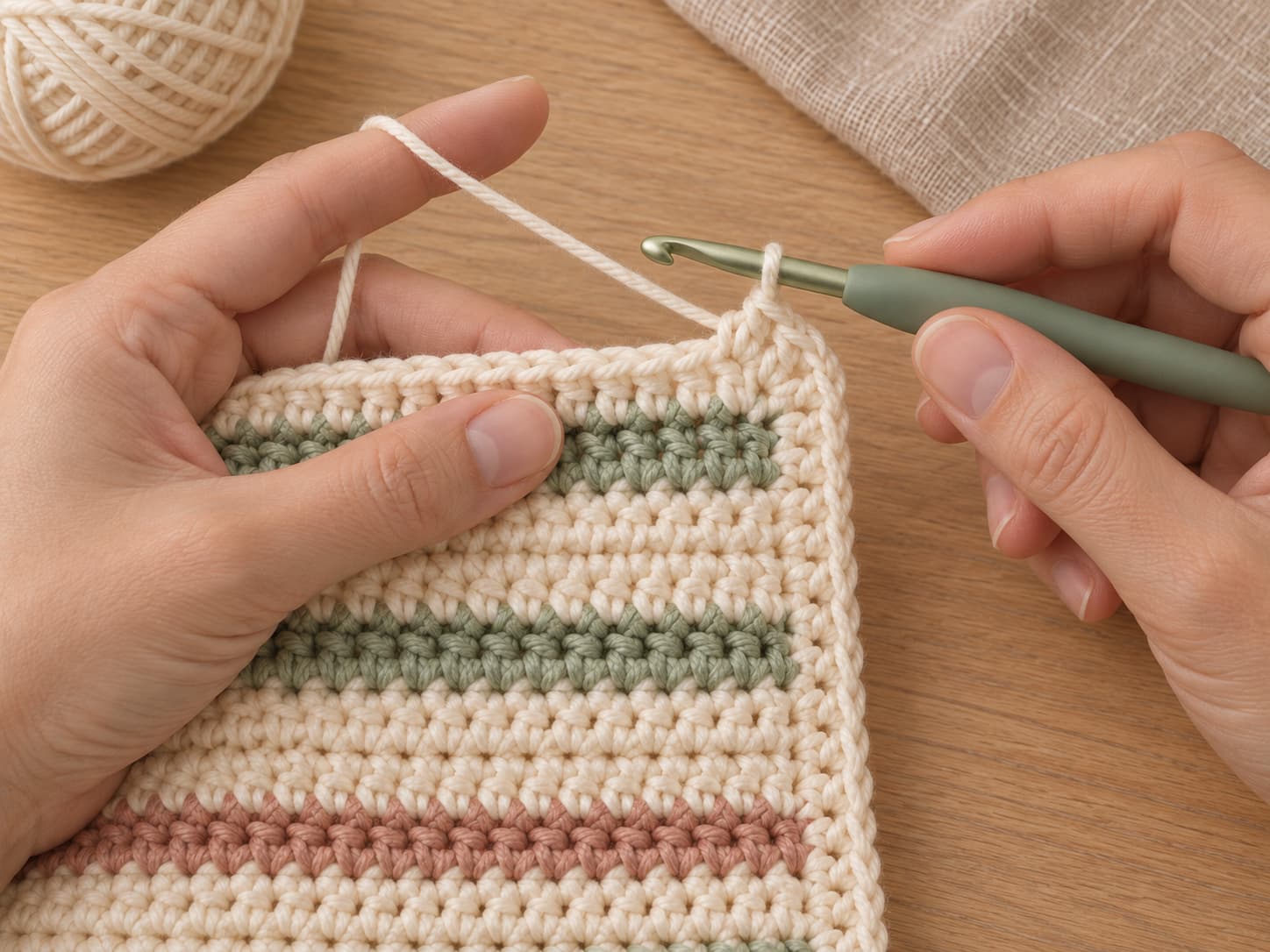
First, fasten off Color B after Row 80 and turn the right side toward you. Next, join Color A in any corner with a slip stitch. Then, the first round evens the row ends, while the second round creates a more defined outline.
Round 1: Ch 1 and work sc evenly around. Place 3 sc in each corner. Across the top and bottom, make one sc per stitch. Along the sides, begin with about four sc for every three row-end spaces. Adjust until the edge lies flat, then join with a sl st.
Round 2: Ch 1 and sc in each stitch. Again, place 3 sc in the center stitch of each corner group. Join with a sl st, fasten off, and leave a 6-inch tail.
Image 08 · Border cornerReplace the img src URL above.
Three single crochets in each corner help the border turn smoothly.
If the border ripples, remove a few stitches along the row ends. In contrast, add a little spacing if the edge pulls inward. Therefore, a flat border matters more than forcing an exact side count.
Finish with care
Secure, wash, and shape the completed blanket
Weave every tail in two directions
First, thread one tail onto the tapestry needle and weave through matching stitches for 2 to 3 inches. Next, change direction and follow a nearby path. Then, gently stretch the fabric before trimming so the tail can settle into the stitches.
Block according to the yarn label
First, wash the blanket as directed, then remove extra water without twisting. Next, shape it on clean mats or towels and check several points across the width and length. Finally, let it dry completely before folding or gifting.
Image 09 · BlockingReplace the img src URL above.
Gentle blocking evens the stitches and provides the final sample measurement.
Add a practical care card
First, save one yarn label and copy its exact wash and drying directions onto a gift card. However, do not promise dryer safety unless the manufacturer allows it. Finally, inspect the fabric for loose tails, snagged loops, or attached decorations before gifting.
Easy corrections
Fix common blanket problems before they travel
Narrowing sides
You may be missing the turning-chain top. Mark both edge stitches and restore the 90-stitch count.
Widening sides
You may be using both the turning chain and its base. Skip that first stitch, then recount.
Curved foundation
The chain is probably tight. Restart more loosely or use a larger hook for the foundation only.
Bulky color joins
Avoid hard knots. Instead, finish the old stitch with the new color and weave both tails securely.
Rippling border
Reduce side stitches and confirm that only the four corners receive three stitches together.
Stiff fabric
Wash the swatch first. If it stays firm, use a larger hook and recalculate from the new gauge.
Make it yours
Adjust the palette or scale without changing the method
Use one solid color
For the simplest option, crochet all 80 body rows and both border rounds in Warm Ivory. This version highlights the stitch texture and removes every mid-project color change. Alternatively, use Muted Sage for a deeper earthy look.
Create a two-color rhythm
Alternate eight rows of Warm Ivory with eight rows of Muted Sage. Consequently, the blanket keeps ten balanced stripes while reducing the shopping list. You can also outline it with sage for stronger contrast.
Resize from your washed gauge
Multiply your desired width in inches by your stitches per inch. Round to a practical whole stitch, then add one chain for this turning-chain method. Next, crochet until the body reaches the desired length before adding the border.
Continue learning
Build on the skills you just practiced
This project teaches long rows, edge control, color changes, counting, and a border. Next, try a smaller project or move into simple rounds. Each option below reuses at least one skill from the blanket.
1. Is this baby blanket suitable for a complete beginner?
It suits a beginner who can chain and make half-double crochet. The repeated rows build confidence, while two stitch markers protect the edges. However, make a 6-inch practice swatch before starting the full chain if either skill is new.
2. How much yarn should I buy for Meadow Stripe?
Use 1,100 to 1,300 yards as an initial planning range at the stated size and gauge. Your fiber, tension, hook, border, and final dimensions may change that amount. Therefore, confirm the estimate with a washed sample and keep an extra matching ball when possible.
3. Can I substitute DK or bulky yarn?
Yes, but the hook, stitch count, row count, drape, and yardage will change. First, wash a gauge swatch. Then calculate the starting chain from your own stitches per inch instead of using 91 automatically.
4. Why does chain two count as a stitch?
Counting chain two creates a consistent 90-stitch row in this pattern. Because designers use different turning-chain rules, follow this method throughout the blanket. Switching midway can add or remove stitches along an edge.
5. How do I stop the blanket edges from slanting?
Skip the stitch at the base of chain two, and place the final hdc in the turning-chain top. Also, mark both edge stitches and count at each color change. Fixing a missed edge early is easier than hiding it with the border.
6. Is a handmade blanket safe for a newborn?
Choose smooth washable yarn and omit loose decorations, fringe, buttons, long ties, and pom-poms. Use the blanket for supervised activities. In addition, caregivers should follow current pediatric safe-sleep guidance and keep loose blankets out of unattended infant sleep spaces.
7. Can I crochet this blanket in one color?
Yes. Work one yarn through all 80 body rows and both border rounds. A solid version removes mid-project color changes and reduces the number of tails, so it is especially approachable as a first large crochet project.
Final thoughts
A calm first blanket made one stripe at a time
Meadow Stripe keeps the learning curve manageable without looking plain. Its earthy palette feels soft and timeless. Meanwhile, the eight-row rhythm turns a large rectangle into ten small, satisfying milestones.
Make the swatch, mark both edges, and count at every color change. Then finish with an even border and care instructions that match the yarn label. Those small choices help a simple pattern become a thoughtful handmade gift.